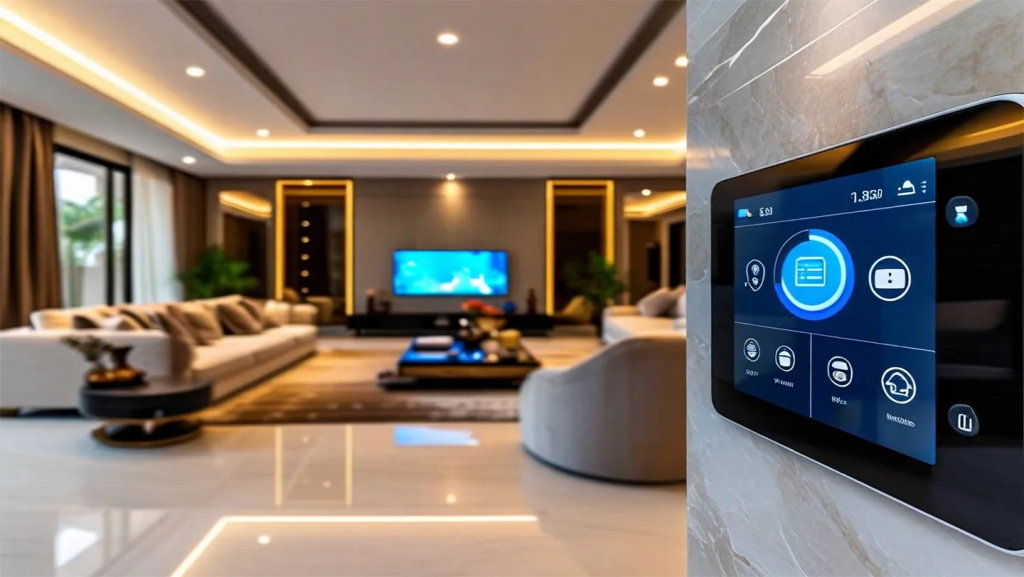
Modern homeowners are constantly looking for practical ways to reduce energy costs while improving comfort and convenience. One of the most effective solutions is investing in Smart Home Upgrades that combine advanced technology with everyday functionality. These upgrades help automate household systems, allowing homeowners to manage lighting, heating, cooling, security, and appliances more efficiently. As energy prices continue to rise, smart technology offers an excellent opportunity to reduce waste without sacrificing comfort. Whether you own a large family house or a compact apartment, smart devices can transform how your home operates. From programmable thermostats to intelligent lighting systems, these innovations provide greater control through mobile apps and voice commands. Beyond lowering monthly utility bills, smart technology also contributes to a more sustainable lifestyle by minimizing unnecessary energy consumption. Understanding the different types of smart home solutions and how they work together can help you make informed decisions that benefit your finances, your comfort, and the environment.
Why Smart Home Technology Matters
Technology has become an essential part of modern living, making everyday tasks easier and more efficient. Smart homes are designed to automate routine functions while giving homeowners complete control over their household systems. Through sensors, wireless connectivity, and intelligent software, devices communicate with one another to optimize performance.
The biggest advantage of Smart Home Upgrades is improved energy efficiency. Traditional appliances often consume electricity even when not actively being used, while smart devices operate only when necessary. Automated schedules, occupancy detection, and remote access reduce unnecessary power consumption and make daily living more convenient.
Additional benefits include:
- Lower electricity and heating costs
- Improved home security
- Greater comfort and convenience
- Increased property value
- Reduced environmental impact
- Better monitoring of energy usage
These benefits make smart technology an excellent long-term investment for homeowners.
Smart Lighting Systems Reduce Energy Waste
Lighting accounts for a significant portion of household electricity consumption. Replacing traditional bulbs with LED smart lighting can dramatically lower energy usage while offering greater flexibility. Smart lighting systems allow homeowners to control brightness, schedules, and colors using smartphones or voice assistants.
Motion sensors automatically switch lights off when rooms are empty, preventing unnecessary electricity use. Timers ensure outdoor lights operate only during specific hours, while dimming features help reduce power consumption throughout the day.
Many homeowners begin their journey with Smart Home Upgrades by installing smart bulbs because they are affordable, easy to install, and immediately effective. Over time, automated lighting routines become second nature, helping families save money without constantly thinking about turning lights on and off.
Smart Thermostats Improve Heating and Cooling Efficiency
Heating and cooling systems are often the largest contributors to household energy bills. Smart thermostats monitor indoor temperatures and automatically adjust settings based on occupancy, weather conditions, and personal preferences.
Unlike traditional thermostats, smart versions learn daily routines and optimize heating or cooling schedules. For example, they reduce energy usage while residents are away and restore comfortable temperatures shortly before everyone returns home.
Some advanced systems even provide detailed reports showing energy consumption patterns, allowing homeowners to identify additional opportunities for savings.
Installing one of these Smart Home Upgrades not only reduces utility costs but also extends the lifespan of HVAC equipment by preventing unnecessary operation.
Smart Appliances Make Everyday Living Easier
Household appliances have evolved significantly over the past decade. Modern refrigerators, washing machines, dishwashers, ovens, and robotic vacuum cleaners now include smart features that improve efficiency and convenience.
These appliances communicate through wireless networks, allowing users to monitor performance remotely. Some washing machines automatically adjust water levels depending on load size, while dishwashers optimize water and electricity usage.
Smart refrigerators help reduce food waste by monitoring temperatures and notifying users about maintenance needs. Meanwhile, robotic vacuum cleaners automatically clean rooms according to customized schedules.
When combined with other Smart Home Upgrades, these appliances create an interconnected household ecosystem where devices work together to reduce energy consumption and improve daily life.
Best Smart Home Devices and Their Benefits
| Smart Device | Primary Benefit | Energy Saving Potential |
|---|---|---|
| Smart Thermostat | Automated climate control | High |
| Smart LED Bulbs | Lower electricity usage | High |
| Smart Plugs | Eliminate standby power | Medium |
| Smart Power Strips | Manage multiple devices | Medium |
| Smart Blinds | Better temperature control | Medium |
| Smart Security Cameras | Enhanced home protection | Low |
| Smart Door Locks | Convenient access management | Low |
| Smart Irrigation System | Reduce outdoor water waste | Medium |
Smart Plugs and Power Strips Prevent Standby Energy Loss
Many electronic devices continue drawing electricity even when turned off. This “phantom” or standby power can add unnecessary costs to monthly utility bills. Smart plugs and smart power strips help eliminate this waste by automatically cutting power to idle devices.
These small but effective devices allow homeowners to schedule operating hours, remotely switch appliances on or off, and monitor energy usage. Entertainment systems, coffee makers, chargers, and office equipment are ideal candidates for smart plug integration.
Conclusion
Investing in Smart Home Upgrades is one of the most practical ways to create a more efficient, comfortable, and sustainable home. From smart lighting and thermostats to connected appliances and energy-monitoring devices, these technologies help reduce electricity consumption while simplifying everyday tasks. Although some upgrades require an initial investment, the long-term savings on utility bills and maintenance costs often make them worthwhile. Beyond financial benefits, smart home solutions improve security, enhance convenience, and can even increase property value. Start with a few essential devices and expand your system as your needs and budget grow. By making thoughtful choices and embracing modern technology, you can enjoy a smarter, safer, and more energy-efficient home that supports your lifestyle for years to come.
Leave a Reply