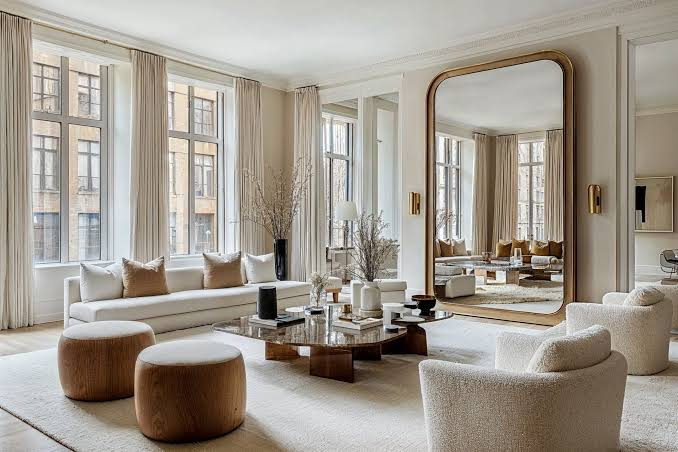
A fresh coat of paint can completely transform the look and feel of your home without requiring a major renovation. Whether you want to brighten a small room, create a cozy atmosphere, or give your entire house a modern appearance, choosing the right colors and techniques makes all the difference. The best Interior Painting Ideas focus on combining color psychology, quality materials, and proper preparation to achieve long-lasting results. From selecting neutral shades to experimenting with bold accent walls, homeowners have endless possibilities to personalize their spaces. A professionally painted room not only improves visual appeal but also increases the value of your property. With thoughtful planning and the right approach, anyone can create interiors that look elegant, clean, and welcoming. This guide covers everything you need to know about choosing colors, preparing surfaces, applying paint, and maintaining beautiful walls that continue to impress for years.
Why Interior Painting Matters
Interior painting is one of the simplest and most affordable ways to refresh your living environment. Unlike expensive remodeling projects, painting delivers immediate visual impact while allowing homeowners to express their personal style. Fresh paint hides imperfections, protects wall surfaces, and creates a cleaner, healthier indoor atmosphere.
Modern paint products also offer improved durability, low odor, and washable finishes, making them practical for busy households. Whether you prefer classic whites, warm earth tones, or contemporary colors, the right paint selection can make rooms feel larger, brighter, and more inviting.
Professional-looking results depend on careful planning rather than expensive equipment. Choosing quality paint, preparing surfaces properly, and using suitable application techniques all contribute to a flawless finish. These Interior Painting Ideas help homeowners achieve stylish spaces while staying within their budget.
Choosing the Right Color Palette
Selecting colors is often the most exciting part of any painting project. Every color creates a different mood and influences how a room feels. Light colors reflect natural light, making smaller spaces appear larger, while darker shades create warmth and sophistication.
When selecting colors, consider:
- Natural lighting throughout the day.
- Existing furniture and flooring.
- Room size and ceiling height.
- Personal style preferences.
- Overall home color consistency.
Neutral colors remain popular because they complement almost every decorating style. Beige, white, cream, light gray, and soft taupe provide timeless appeal while allowing decorative accessories to stand out.
Meanwhile, bold colors like navy blue, emerald green, charcoal, or deep burgundy work beautifully as accent walls, adding personality without overwhelming the room. Following these Interior Painting Ideas ensures every room feels balanced and visually appealing.
Preparing Walls Before Painting
Preparation is often overlooked, yet it determines the final quality of the paint job. Even premium paint cannot hide damaged surfaces or dirt-covered walls. Taking time to prepare walls properly produces smoother, longer-lasting finishes.
Preparation typically includes:
- Cleaning grease, dust, and stains.
- Filling nail holes and cracks.
- Sanding rough surfaces.
- Applying primer where needed.
- Protecting furniture and flooring.
Primer is especially important when changing from dark colors to light shades or when painting new drywall. It improves paint adhesion and ensures consistent color coverage.
Masking tape also helps create clean edges around windows, ceilings, and trim. Spending additional time during preparation significantly reduces mistakes and creates a professional appearance after painting is complete.
Best Paint Finishes for Every Room
Different paint finishes perform better in different areas of the home. Selecting the right finish improves durability and makes maintenance easier.
| Room | Recommended Finish | Benefits |
|---|---|---|
| Living Room | Eggshell | Soft appearance and easy cleaning |
| Bedroom | Matte | Smooth, elegant finish |
| Kitchen | Satin | Moisture-resistant and washable |
| Bathroom | Semi-gloss | Resists humidity and mildew |
| Hallways | Satin | Durable for high-traffic areas |
| Doors and Trim | Gloss | Highly durable and attractive shine |
Understanding finishes helps homeowners balance beauty and practicality while ensuring painted surfaces remain attractive for many years.
Interior Painting Ideas for Living Rooms
The living room is often the centerpiece of the home, making color selection especially important. Soft neutrals create relaxing environments, while accent walls introduce personality without overwhelming the space.
Popular living room color combinations include:
- White with charcoal accents.
- Beige paired with olive green.
- Light gray and navy blue.
- Cream with warm wood tones.
- Soft blue and crisp white.
Layering complementary colors throughout furniture, curtains, rugs, and decorative pieces creates visual harmony. Large windows benefit from lighter shades that maximize natural light, while darker rooms often appear brighter with warm whites and soft creams.
These carefully selected Interior Painting Ideas help create inviting spaces perfect for entertaining guests or relaxing with family.
Bedroom Painting Tips for Comfort
Bedrooms should promote relaxation and restful sleep. Soft, calming colors encourage a peaceful atmosphere while reducing visual stress.
Excellent bedroom colors include:
- Sage green.
- Dusty blue.
- Lavender.
- Warm gray.
- Pale beige.
- Soft blush.
Avoid using overly bright reds or intense oranges throughout the entire room, as these energetic colors may feel overwhelming. Instead, use them in decorative accents if desired.
Painting the ceiling a slightly lighter version of the wall color can make the room feel taller and more spacious. Coordinating paint colors with bedding and furniture creates a cohesive design that feels professionally planned.
Kitchen and Dining Room Painting Ideas
Kitchens experience heavy daily use, so paint durability is especially important. Satin and semi-gloss finishes resist stains and allow easy cleaning after cooking.
Popular kitchen colors include:
- Crisp white.
- Light sage green.
- Warm cream.
- Soft yellow.
- Muted blue.
- Light gray.
Dining rooms often benefit from warmer tones that create welcoming environments for family meals. Rich earth tones, elegant greens, or sophisticated navy blues add character while maintaining timeless appeal.
Combining cabinets, backsplashes, countertops, and wall colors thoughtfully ensures the kitchen remains stylish for years rather than following short-lived trends.
Painting Small Spaces Successfully
Small rooms can feel surprisingly spacious with the right color strategy. Light shades reflect more light, creating the illusion of larger interiors.
Helpful techniques include:
- Use consistent wall colors.
- Paint ceilings lighter than walls.
- Limit strong color contrasts.
- Incorporate reflective décor.
- Maximize natural lighting.
Hallways, home offices, laundry rooms, and entryways benefit greatly from thoughtful paint choices. Rather than treating these areas as afterthoughts, coordinated colors help create a seamless flow throughout the home.
Applying these Interior Painting Ideas makes even compact spaces appear open, bright, and inviting.
Common Painting Mistakes to Avoid
Many painting problems occur because homeowners rush through preparation or use incorrect techniques. Avoiding these common mistakes leads to far better results.
Mistakes include:
- Skipping wall cleaning.
- Ignoring primer.
- Buying low-quality brushes.
- Applying overly thick paint coats.
- Painting in poor lighting.
- Not allowing adequate drying time.
- Choosing colors without testing samples.
Testing paint samples directly on your walls before purchasing large quantities prevents costly disappointments. Observe colors during both daytime and evening lighting because they often appear different throughout the day.
Patience remains one of the most valuable qualities during any painting project.
Maintaining Freshly Painted Walls
Proper maintenance keeps painted walls looking fresh for many years. Modern washable paints simplify cleaning while protecting the finish from daily wear.
Maintenance tips include:
- Dust walls regularly.
- Clean stains promptly.
- Avoid harsh chemical cleaners.
- Touch up small scratches quickly.
- Keep rooms well ventilated.
High-quality paints often maintain their appearance significantly longer than cheaper alternatives. Investing in durable products reduces repainting frequency while preserving the beauty of your home.
Routine maintenance protects your investment and keeps every room looking professionally finished.
Professional Tips for Long-Lasting Results
Professional painters consistently achieve outstanding finishes because they focus on preparation, patience, and precision. Homeowners can follow many of these same techniques for equally impressive results.
Important professional recommendations include:
- Purchase premium-quality paint.
- Use separate brushes for trim and walls.
- Maintain a wet edge while rolling.
- Apply two even coats.
- Allow recommended drying times.
- Remove painter’s tape carefully.
Planning each stage before opening the paint can prevents unnecessary delays and mistakes. Good lighting throughout the project also helps identify uneven coverage before the paint dries completely.
These practical Interior Painting Ideas help create beautiful interiors that look polished and professionally completed.
Conclusion
Painting remains one of the most effective ways to refresh your home’s appearance while adding personality and value. With thoughtful planning, quality materials, proper preparation, and carefully selected colors, every room can achieve a polished, professional finish. From cozy bedrooms and welcoming living rooms to durable kitchens and elegant dining areas, the right painting approach transforms ordinary spaces into beautiful interiors that reflect your style.
Leave a Reply