Category: Uncategorized

  • Give Your Home a Fresh Look with Flooring Installation Ideas That Last

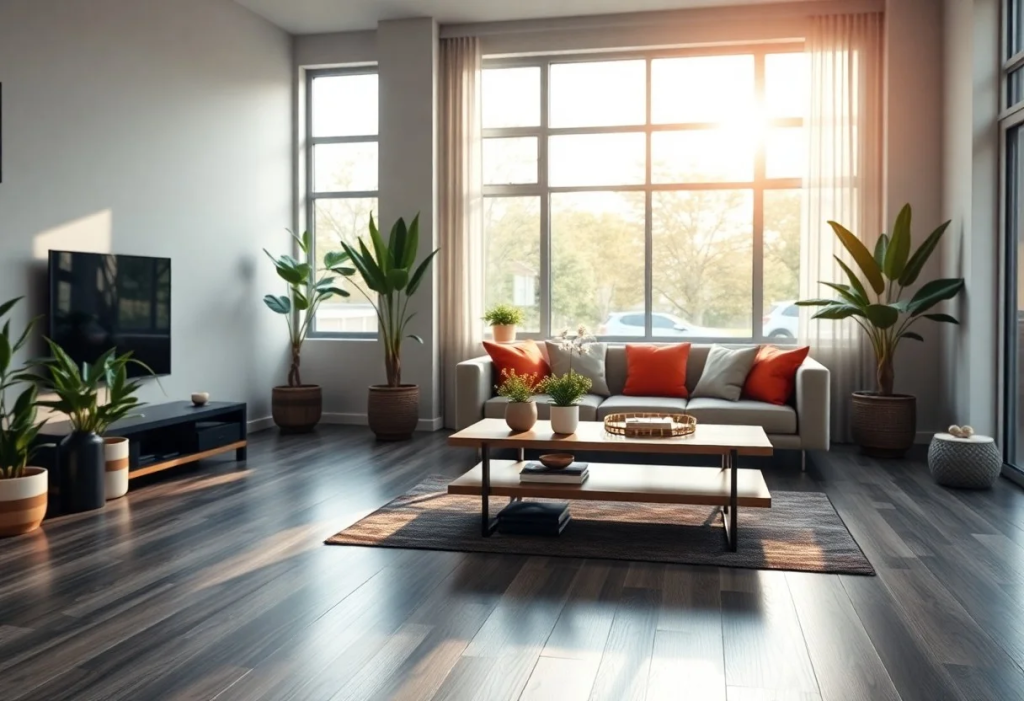
    A beautiful floor has the power to transform the appearance, comfort, and value of your home. Whether you are renovating a single room or updating your entire house, choosing the right flooring is one of the most important decisions you’ll make. The best Flooring Installation Ideas combine attractive design, durability, affordability, and easy maintenance. Modern flooring options offer homeowners endless possibilities, from timeless hardwood and elegant tile to practical vinyl and cozy carpet.

    Today’s flooring materials are designed to withstand daily wear while complementing various interior styles. A carefully planned flooring installation not only improves aesthetics but also enhances functionality and energy efficiency. Before beginning your renovation, it is important to understand the different materials, installation methods, maintenance requirements, and budget considerations. This guide explores practical solutions to help you choose flooring that looks great and lasts for years.

    Why Flooring Matters in Home Design

    Flooring serves as the foundation of every room. It influences how your home looks, feels, and functions. Even the most beautiful furniture cannot compensate for worn-out or outdated flooring. High-quality floors create a clean, inviting atmosphere while increasing property value.

    Choosing the right flooring also affects comfort and daily living. Some materials provide warmth underfoot, while others resist moisture and scratches, making them ideal for busy households. Families with children or pets often prefer durable surfaces that are easy to clean, whereas homeowners seeking luxury may prioritize premium finishes.

    The best Flooring Installation Ideas balance visual appeal with practical performance. By considering your lifestyle, room usage, and maintenance preferences, you can select flooring that continues looking beautiful for many years.

    Understanding Different Flooring Materials

    Every flooring material has unique benefits and limitations. Understanding these options helps you make a smart investment.

    Hardwood Flooring

    Hardwood remains one of the most popular choices due to its timeless beauty and long lifespan. It adds warmth and elegance while increasing resale value. Proper maintenance allows hardwood floors to last for decades.

    Luxury Vinyl Plank (LVP)

    Luxury vinyl has become a favorite because it mimics wood and stone while offering excellent water resistance. It is affordable, durable, and relatively simple to install.

    Laminate Flooring

    Laminate provides the appearance of wood at a lower cost. Modern laminate products are highly scratch-resistant and suitable for active households.

    Tile Flooring

    Ceramic and porcelain tiles perform exceptionally well in bathrooms, kitchens, and laundry rooms because they resist water and stains. They also come in numerous colors, textures, and patterns.

    Carpet

    Carpet adds softness, warmth, and sound insulation. It remains a preferred choice for bedrooms and family rooms where comfort is a priority.

    Selecting the right material is the first step toward successful Flooring Installation Ideas that meet both your style and practical needs.

    Planning Before Installing New Flooring

    Successful flooring projects begin with careful planning rather than rushing into material selection. Start by measuring every room accurately and calculating extra material for waste, cuts, and future repairs. Determine your budget by including material costs, installation, underlayment, trim, and maintenance products.

    Also consider the room’s conditions. Areas exposed to moisture require waterproof materials, while high-traffic spaces benefit from scratch-resistant surfaces. Evaluate whether the existing subfloor is level and structurally sound because uneven surfaces can shorten the life of your new floor.

    Before installation begins, remove furniture, repair damaged subfloors, and allow flooring materials to acclimate according to manufacturer recommendations. Good preparation ensures your investment lasts longer and performs as expected. Well-planned Flooring Installation Ideas reduce unexpected expenses and produce more professional-looking results.

    Best Flooring Choices for Different Rooms

    Different rooms have different flooring requirements. Matching the material to each space improves durability and comfort.

    RoomRecommended FlooringPrimary Benefit
    Living RoomHardwood or Luxury VinylElegant appearance and durability
    KitchenTile or Waterproof VinylMoisture resistance
    BedroomCarpet or HardwoodComfort and warmth
    BathroomPorcelain TileWater resistance
    BasementWaterproof VinylHandles humidity well
    Home OfficeLaminate or HardwoodProfessional appearance

    Selecting room-specific materials ensures your flooring performs well under daily conditions while maintaining its appearance over time.

    Popular Flooring Trends That Never Go Out of Style

    Modern flooring trends emphasize simplicity, natural textures, and durability rather than temporary fashion. Wide planks remain popular because they make rooms appear larger and more spacious. Neutral shades such as light oak, gray, beige, and walnut blend easily with changing décor styles.

    Natural stone-inspired tiles continue gaining popularity in kitchens and bathrooms. Waterproof luxury vinyl also remains a top choice because it combines affordability with realistic wood appearances.

    Many homeowners now prefer continuous flooring throughout the main living areas to create a seamless visual flow. Sustainable materials, recycled products, and environmentally friendly finishes are becoming increasingly important as people seek healthier homes.

    These timeless Flooring Installation Ideas help homeowners achieve stylish interiors without worrying about their floors becoming outdated in a few years.

    DIY vs Professional Flooring Installation

    One of the biggest decisions during renovation is whether to install flooring yourself or hire professionals.

    DIY installation works well for floating laminate or click-lock vinyl flooring if you have basic tools and patience. It saves labor costs and offers flexibility in scheduling.

    Professional installation provides several advantages:

    • Expert craftsmanship
    • Faster project completion
    • Proper subfloor preparation
    • Reduced material waste
    • Manufacturer warranty protection
    • Better long-term durability

    Complex materials like hardwood, tile, or natural stone usually require professional expertise to ensure proper alignment, leveling, and finishing. Although hiring installers costs more initially, it often prevents expensive repairs later.

    Choosing between DIY and professional services depends on your experience, available time, and the complexity of your chosen Flooring Installation Ideas.

    Maintenance Tips for Long-Lasting Floors

    Installing quality flooring is only the beginning. Proper maintenance keeps your investment looking beautiful for decades.

    Follow these maintenance practices:

    • Sweep or vacuum regularly to remove dirt.
    • Clean spills immediately.
    • Use furniture pads to prevent scratches.
    • Avoid harsh chemical cleaners.
    • Place rugs at entryways to reduce dirt.
    • Maintain proper indoor humidity.
    • Follow manufacturer cleaning recommendations.

    Different flooring materials require different cleaning routines. Hardwood benefits from specialized wood cleaners, while tile may occasionally need grout cleaning. Vinyl and laminate generally require only damp mopping.

    Consistent maintenance protects your flooring’s finish and extends its lifespan significantly. Even the finest Flooring Installation Ideas depend on proper care to remain attractive over time.

    Common Flooring Installation Mistakes to Avoid

    Many flooring problems result from avoidable mistakes during planning or installation. Learning about these errors helps you achieve better results.

    The most common mistakes include:

    • Skipping subfloor preparation
    • Ignoring moisture issues
    • Incorrect room measurements
    • Purchasing insufficient materials
    • Failing to acclimate flooring
    • Poor expansion gap planning
    • Using incorrect installation tools
    • Choosing unsuitable flooring for the room

    For example, installing hardwood in consistently damp areas may lead to warping. Likewise, uneven subfloors can cause vinyl or laminate planks to separate over time.

    Proper planning, careful measurements, and following manufacturer instructions eliminate many of these issues before they occur. Successful Flooring Installation Ideas always prioritize preparation over speed.

    Budget-Friendly Flooring Solutions

    Updating your floors doesn’t always require a luxury budget. Many affordable materials now provide premium appearances at a fraction of traditional costs.

    Luxury vinyl plank offers one of the best values because it combines realistic wood textures, waterproof performance, and easy installation. Laminate flooring also delivers excellent durability while remaining budget-friendly.

    To reduce expenses further:

    • Compare material options before purchasing.
    • Buy during seasonal sales.
    • Install flooring in phases if necessary.
    • Reuse existing trim where possible.
    • Choose floating floors that reduce labor costs.

    Balancing quality with affordability helps homeowners maximize value without sacrificing appearance. Investing wisely ensures your floors continue performing well for many years while staying within budget.

    Increasing Home Value Through Better Flooring

    New flooring is one of the most effective home improvements for increasing resale value. Buyers immediately notice clean, modern floors because they influence the overall impression of a property.

    Homes featuring updated hardwood, luxury vinyl, or premium tile often appear newer and better maintained. Consistent flooring throughout living spaces creates visual continuity that many buyers appreciate.

    Beyond appearance, durable flooring reduces future maintenance concerns, making your property more attractive in competitive housing markets. Even if you are not planning to sell immediately, quality flooring improves everyday comfort and long-term satisfaction.

    Choosing durable materials with timeless designs allows homeowners to enjoy both immediate lifestyle improvements and future financial benefits.

    Conclusion

    Choosing the right flooring is about much more than appearance. It is an investment in your home’s comfort, durability, and long-term value. By carefully selecting materials, preparing the subfloor properly, and following professional installation practices, you can create beautiful spaces that remain functional for decades.

    Whether you prefer elegant hardwood, waterproof luxury vinyl, versatile laminate, durable tile, or comfortable carpet, thoughtful planning makes every project more successful. The best Flooring Installation Ideas combine attractive design with practical performance to suit your lifestyle and budget.
  • Save Money and Energy Through Smart Home Upgrades for Modern Living

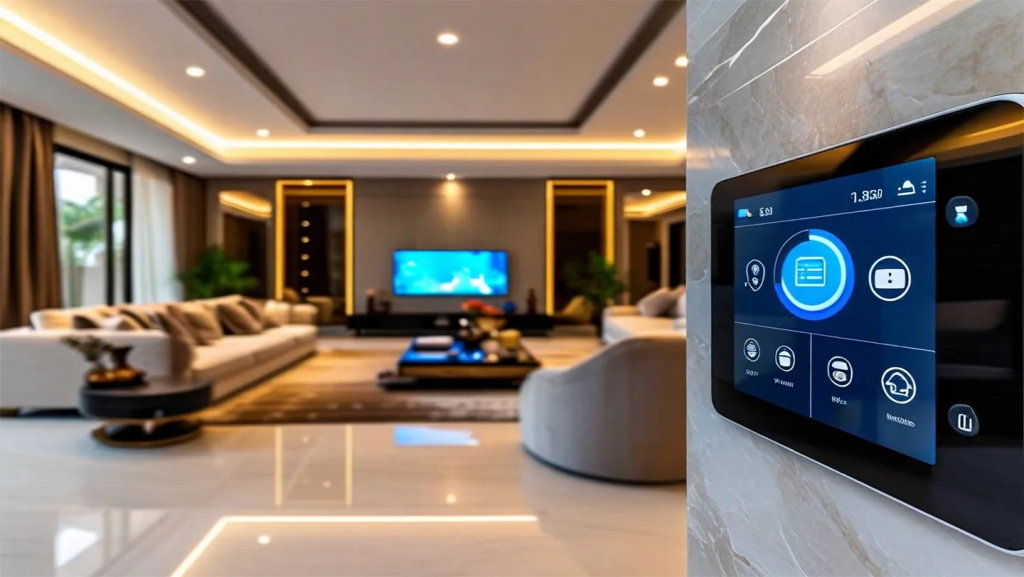
    Modern homeowners are constantly looking for practical ways to reduce energy costs while improving comfort and convenience. One of the most effective solutions is investing in Smart Home Upgrades that combine advanced technology with everyday functionality. These upgrades help automate household systems, allowing homeowners to manage lighting, heating, cooling, security, and appliances more efficiently. As energy prices continue to rise, smart technology offers an excellent opportunity to reduce waste without sacrificing comfort. Whether you own a large family house or a compact apartment, smart devices can transform how your home operates. From programmable thermostats to intelligent lighting systems, these innovations provide greater control through mobile apps and voice commands. Beyond lowering monthly utility bills, smart technology also contributes to a more sustainable lifestyle by minimizing unnecessary energy consumption. Understanding the different types of smart home solutions and how they work together can help you make informed decisions that benefit your finances, your comfort, and the environment.

    Why Smart Home Technology Matters

    Technology has become an essential part of modern living, making everyday tasks easier and more efficient. Smart homes are designed to automate routine functions while giving homeowners complete control over their household systems. Through sensors, wireless connectivity, and intelligent software, devices communicate with one another to optimize performance.

    The biggest advantage of Smart Home Upgrades is improved energy efficiency. Traditional appliances often consume electricity even when not actively being used, while smart devices operate only when necessary. Automated schedules, occupancy detection, and remote access reduce unnecessary power consumption and make daily living more convenient.

    Additional benefits include:

    • Lower electricity and heating costs
    • Improved home security
    • Greater comfort and convenience
    • Increased property value
    • Reduced environmental impact
    • Better monitoring of energy usage

    These benefits make smart technology an excellent long-term investment for homeowners.

    Smart Lighting Systems Reduce Energy Waste

    Lighting accounts for a significant portion of household electricity consumption. Replacing traditional bulbs with LED smart lighting can dramatically lower energy usage while offering greater flexibility. Smart lighting systems allow homeowners to control brightness, schedules, and colors using smartphones or voice assistants.

    Motion sensors automatically switch lights off when rooms are empty, preventing unnecessary electricity use. Timers ensure outdoor lights operate only during specific hours, while dimming features help reduce power consumption throughout the day.

    Many homeowners begin their journey with Smart Home Upgrades by installing smart bulbs because they are affordable, easy to install, and immediately effective. Over time, automated lighting routines become second nature, helping families save money without constantly thinking about turning lights on and off.

    Smart Thermostats Improve Heating and Cooling Efficiency

    Heating and cooling systems are often the largest contributors to household energy bills. Smart thermostats monitor indoor temperatures and automatically adjust settings based on occupancy, weather conditions, and personal preferences.

    Unlike traditional thermostats, smart versions learn daily routines and optimize heating or cooling schedules. For example, they reduce energy usage while residents are away and restore comfortable temperatures shortly before everyone returns home.

    Some advanced systems even provide detailed reports showing energy consumption patterns, allowing homeowners to identify additional opportunities for savings.

    Installing one of these Smart Home Upgrades not only reduces utility costs but also extends the lifespan of HVAC equipment by preventing unnecessary operation.

    Smart Appliances Make Everyday Living Easier

    Household appliances have evolved significantly over the past decade. Modern refrigerators, washing machines, dishwashers, ovens, and robotic vacuum cleaners now include smart features that improve efficiency and convenience.

    These appliances communicate through wireless networks, allowing users to monitor performance remotely. Some washing machines automatically adjust water levels depending on load size, while dishwashers optimize water and electricity usage.

    Smart refrigerators help reduce food waste by monitoring temperatures and notifying users about maintenance needs. Meanwhile, robotic vacuum cleaners automatically clean rooms according to customized schedules.

    When combined with other Smart Home Upgrades, these appliances create an interconnected household ecosystem where devices work together to reduce energy consumption and improve daily life.

    Best Smart Home Devices and Their Benefits

    Smart DevicePrimary BenefitEnergy Saving Potential
    Smart ThermostatAutomated climate controlHigh
    Smart LED BulbsLower electricity usageHigh
    Smart PlugsEliminate standby powerMedium
    Smart Power StripsManage multiple devicesMedium
    Smart BlindsBetter temperature controlMedium
    Smart Security CamerasEnhanced home protectionLow
    Smart Door LocksConvenient access managementLow
    Smart Irrigation SystemReduce outdoor water wasteMedium

    Smart Plugs and Power Strips Prevent Standby Energy Loss

    Many electronic devices continue drawing electricity even when turned off. This “phantom” or standby power can add unnecessary costs to monthly utility bills. Smart plugs and smart power strips help eliminate this waste by automatically cutting power to idle devices.

    These small but effective devices allow homeowners to schedule operating hours, remotely switch appliances on or off, and monitor energy usage. Entertainment systems, coffee makers, chargers, and office equipment are ideal candidates for smart plug integration.

    Conclusion

    Investing in Smart Home Upgrades is one of the most practical ways to create a more efficient, comfortable, and sustainable home. From smart lighting and thermostats to connected appliances and energy-monitoring devices, these technologies help reduce electricity consumption while simplifying everyday tasks. Although some upgrades require an initial investment, the long-term savings on utility bills and maintenance costs often make them worthwhile. Beyond financial benefits, smart home solutions improve security, enhance convenience, and can even increase property value. Start with a few essential devices and expand your system as your needs and budget grow. By making thoughtful choices and embracing modern technology, you can enjoy a smarter, safer, and more energy-efficient home that supports your lifestyle for years to come.

  • Refresh Your Home Interior with Interior Painting Ideas That Look Professional

    A fresh coat of paint can completely transform the look and feel of your home without requiring a major renovation. Whether you want to brighten a small room, create a cozy atmosphere, or give your entire house a modern appearance, choosing the right colors and techniques makes all the difference. The best Interior Painting Ideas focus on combining color psychology, quality materials, and proper preparation to achieve long-lasting results. From selecting neutral shades to experimenting with bold accent walls, homeowners have endless possibilities to personalize their spaces. A professionally painted room not only improves visual appeal but also increases the value of your property. With thoughtful planning and the right approach, anyone can create interiors that look elegant, clean, and welcoming. This guide covers everything you need to know about choosing colors, preparing surfaces, applying paint, and maintaining beautiful walls that continue to impress for years.

    Why Interior Painting Matters

    Interior painting is one of the simplest and most affordable ways to refresh your living environment. Unlike expensive remodeling projects, painting delivers immediate visual impact while allowing homeowners to express their personal style. Fresh paint hides imperfections, protects wall surfaces, and creates a cleaner, healthier indoor atmosphere.

    Modern paint products also offer improved durability, low odor, and washable finishes, making them practical for busy households. Whether you prefer classic whites, warm earth tones, or contemporary colors, the right paint selection can make rooms feel larger, brighter, and more inviting.

    Professional-looking results depend on careful planning rather than expensive equipment. Choosing quality paint, preparing surfaces properly, and using suitable application techniques all contribute to a flawless finish. These Interior Painting Ideas help homeowners achieve stylish spaces while staying within their budget.

    Choosing the Right Color Palette

    Selecting colors is often the most exciting part of any painting project. Every color creates a different mood and influences how a room feels. Light colors reflect natural light, making smaller spaces appear larger, while darker shades create warmth and sophistication.

    When selecting colors, consider:

    • Natural lighting throughout the day.
    • Existing furniture and flooring.
    • Room size and ceiling height.
    • Personal style preferences.
    • Overall home color consistency.

    Neutral colors remain popular because they complement almost every decorating style. Beige, white, cream, light gray, and soft taupe provide timeless appeal while allowing decorative accessories to stand out.

    Meanwhile, bold colors like navy blue, emerald green, charcoal, or deep burgundy work beautifully as accent walls, adding personality without overwhelming the room. Following these Interior Painting Ideas ensures every room feels balanced and visually appealing.

    Preparing Walls Before Painting

    Preparation is often overlooked, yet it determines the final quality of the paint job. Even premium paint cannot hide damaged surfaces or dirt-covered walls. Taking time to prepare walls properly produces smoother, longer-lasting finishes.

    Preparation typically includes:

    • Cleaning grease, dust, and stains.
    • Filling nail holes and cracks.
    • Sanding rough surfaces.
    • Applying primer where needed.
    • Protecting furniture and flooring.

    Primer is especially important when changing from dark colors to light shades or when painting new drywall. It improves paint adhesion and ensures consistent color coverage.

    Masking tape also helps create clean edges around windows, ceilings, and trim. Spending additional time during preparation significantly reduces mistakes and creates a professional appearance after painting is complete.

    Best Paint Finishes for Every Room

    Different paint finishes perform better in different areas of the home. Selecting the right finish improves durability and makes maintenance easier.

    RoomRecommended FinishBenefits
    Living RoomEggshellSoft appearance and easy cleaning
    BedroomMatteSmooth, elegant finish
    KitchenSatinMoisture-resistant and washable
    BathroomSemi-glossResists humidity and mildew
    HallwaysSatinDurable for high-traffic areas
    Doors and TrimGlossHighly durable and attractive shine

    Understanding finishes helps homeowners balance beauty and practicality while ensuring painted surfaces remain attractive for many years.

    Interior Painting Ideas for Living Rooms

    The living room is often the centerpiece of the home, making color selection especially important. Soft neutrals create relaxing environments, while accent walls introduce personality without overwhelming the space.

    Popular living room color combinations include:

    • White with charcoal accents.
    • Beige paired with olive green.
    • Light gray and navy blue.
    • Cream with warm wood tones.
    • Soft blue and crisp white.

    Layering complementary colors throughout furniture, curtains, rugs, and decorative pieces creates visual harmony. Large windows benefit from lighter shades that maximize natural light, while darker rooms often appear brighter with warm whites and soft creams.

    These carefully selected Interior Painting Ideas help create inviting spaces perfect for entertaining guests or relaxing with family.

    Bedroom Painting Tips for Comfort

    Bedrooms should promote relaxation and restful sleep. Soft, calming colors encourage a peaceful atmosphere while reducing visual stress.

    Excellent bedroom colors include:

    • Sage green.
    • Dusty blue.
    • Lavender.
    • Warm gray.
    • Pale beige.
    • Soft blush.

    Avoid using overly bright reds or intense oranges throughout the entire room, as these energetic colors may feel overwhelming. Instead, use them in decorative accents if desired.

    Painting the ceiling a slightly lighter version of the wall color can make the room feel taller and more spacious. Coordinating paint colors with bedding and furniture creates a cohesive design that feels professionally planned.

    Kitchen and Dining Room Painting Ideas

    Kitchens experience heavy daily use, so paint durability is especially important. Satin and semi-gloss finishes resist stains and allow easy cleaning after cooking.

    Popular kitchen colors include:

    • Crisp white.
    • Light sage green.
    • Warm cream.
    • Soft yellow.
    • Muted blue.
    • Light gray.

    Dining rooms often benefit from warmer tones that create welcoming environments for family meals. Rich earth tones, elegant greens, or sophisticated navy blues add character while maintaining timeless appeal.

    Combining cabinets, backsplashes, countertops, and wall colors thoughtfully ensures the kitchen remains stylish for years rather than following short-lived trends.

    Painting Small Spaces Successfully

    Small rooms can feel surprisingly spacious with the right color strategy. Light shades reflect more light, creating the illusion of larger interiors.

    Helpful techniques include:

    • Use consistent wall colors.
    • Paint ceilings lighter than walls.
    • Limit strong color contrasts.
    • Incorporate reflective décor.
    • Maximize natural lighting.

    Hallways, home offices, laundry rooms, and entryways benefit greatly from thoughtful paint choices. Rather than treating these areas as afterthoughts, coordinated colors help create a seamless flow throughout the home.

    Applying these Interior Painting Ideas makes even compact spaces appear open, bright, and inviting.

    Common Painting Mistakes to Avoid

    Many painting problems occur because homeowners rush through preparation or use incorrect techniques. Avoiding these common mistakes leads to far better results.

    Mistakes include:

    • Skipping wall cleaning.
    • Ignoring primer.
    • Buying low-quality brushes.
    • Applying overly thick paint coats.
    • Painting in poor lighting.
    • Not allowing adequate drying time.
    • Choosing colors without testing samples.

    Testing paint samples directly on your walls before purchasing large quantities prevents costly disappointments. Observe colors during both daytime and evening lighting because they often appear different throughout the day.

    Patience remains one of the most valuable qualities during any painting project.

    Maintaining Freshly Painted Walls

    Proper maintenance keeps painted walls looking fresh for many years. Modern washable paints simplify cleaning while protecting the finish from daily wear.

    Maintenance tips include:

    • Dust walls regularly.
    • Clean stains promptly.
    • Avoid harsh chemical cleaners.
    • Touch up small scratches quickly.
    • Keep rooms well ventilated.

    High-quality paints often maintain their appearance significantly longer than cheaper alternatives. Investing in durable products reduces repainting frequency while preserving the beauty of your home.

    Routine maintenance protects your investment and keeps every room looking professionally finished.

    Professional Tips for Long-Lasting Results

    Professional painters consistently achieve outstanding finishes because they focus on preparation, patience, and precision. Homeowners can follow many of these same techniques for equally impressive results.

    Important professional recommendations include:

    • Purchase premium-quality paint.
    • Use separate brushes for trim and walls.
    • Maintain a wet edge while rolling.
    • Apply two even coats.
    • Allow recommended drying times.
    • Remove painter’s tape carefully.

    Planning each stage before opening the paint can prevents unnecessary delays and mistakes. Good lighting throughout the project also helps identify uneven coverage before the paint dries completely.

    These practical Interior Painting Ideas help create beautiful interiors that look polished and professionally completed.

    Conclusion

    Painting remains one of the most effective ways to refresh your home’s appearance while adding personality and value. With thoughtful planning, quality materials, proper preparation, and carefully selected colors, every room can achieve a polished, professional finish. From cozy bedrooms and welcoming living rooms to durable kitchens and elegant dining areas, the right painting approach transforms ordinary spaces into beautiful interiors that reflect your style.

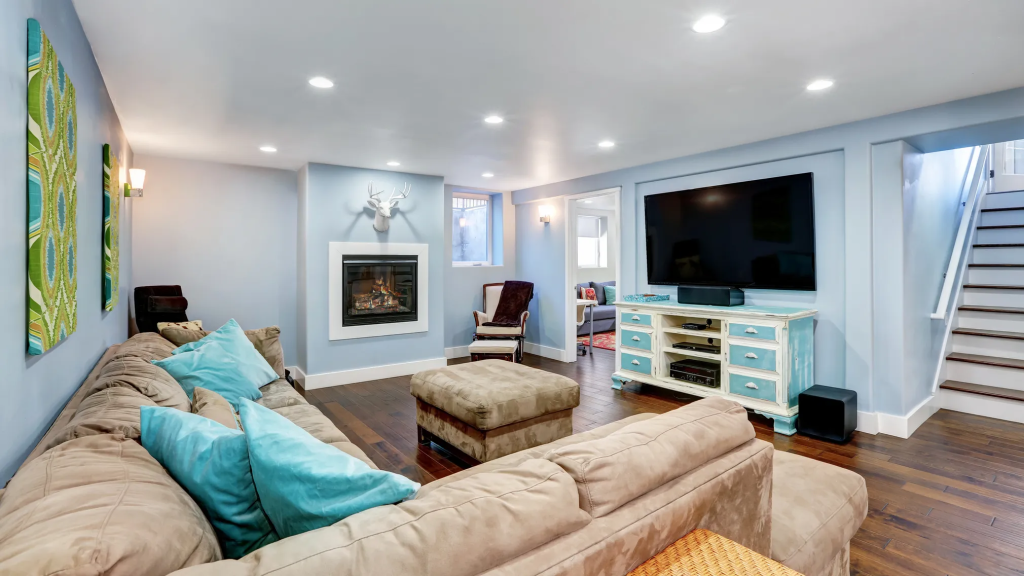
  • Increase Property Value with Basement Finishing Ideas for Extra Living Space

    A basement is often one of the most overlooked areas in a home. Many homeowners use it only for storage, leaving valuable square footage unused. With the right Basement Finishing Ideas, you can transform this space into a beautiful and functional part of your home while significantly increasing its market value. Whether you want a family room, guest suite, home office, entertainment area, or fitness room, a finished basement offers endless possibilities. It creates additional living space without the expense of building an extension, making it one of the smartest home improvement projects. Modern finishing techniques also improve insulation, lighting, and moisture control, making basements more comfortable throughout the year. A thoughtfully designed basement appeals to future buyers and enhances your family’s daily lifestyle. By planning carefully and selecting quality materials, you can maximize every square foot and create a space that feels just as welcoming as the rest of your home.

    Why Finishing Your Basement Is a Smart Investment

    Finishing a basement provides more than just additional room. It increases the usable area of your home, making it more attractive to buyers and more enjoyable for your family. One of the greatest advantages of using Basement Finishing Ideas is that you can customize the space according to your lifestyle. Families often convert basements into playrooms, home theaters, or guest bedrooms, while professionals create quiet home offices away from daily distractions. A finished basement also improves energy efficiency because properly insulated walls and floors help regulate indoor temperatures. In many housing markets, homes with finished basements command higher selling prices than similar homes with unfinished spaces. Besides financial benefits, a renovated basement reduces clutter by providing organized storage solutions while creating comfortable areas for relaxation, hobbies, or entertainment. This combination of practicality and value makes basement finishing one of the most rewarding remodeling projects available.

    Planning Before Starting Your Basement Renovation

    Every successful basement renovation begins with careful planning. Before selecting paint colors or flooring materials, inspect the basement for moisture issues, cracks, plumbing concerns, and electrical requirements. Addressing these problems early prevents costly repairs later. Create a realistic budget that includes materials, labor, permits, and a contingency fund for unexpected expenses. Consider how your family will use the finished area now and in the future. Proper lighting is another essential factor because most basements receive limited natural sunlight. Recessed ceiling lights, wall sconces, and bright finishes help create a welcoming environment. Think about heating, cooling, ventilation, and ceiling height to ensure long-term comfort. Planning furniture placement in advance also helps determine electrical outlet locations and room layouts. A detailed renovation plan keeps the project organized while ensuring every design choice contributes to a functional and visually appealing finished basement.

    Best Basement Finishing Ideas for Modern Homes

    There are countless ways to transform an unfinished basement into an attractive living space. The most successful Basement Finishing Ideas focus on combining comfort, style, and functionality. Popular choices include creating a cozy family lounge with comfortable seating and a large television, a guest suite complete with a private bathroom, or a home office designed for productivity. Fitness enthusiasts often install home gyms with durable flooring and mirrors, while gamers and movie lovers prefer dedicated entertainment rooms with soundproofing. Children benefit from spacious playrooms that keep toys organized and separate from the main living areas. Homeowners who frequently entertain guests may even add a small kitchenette or snack bar. Choosing neutral wall colors, durable flooring, and modern lighting helps create a space that feels connected to the rest of the house while maintaining its own unique personality.

    Popular Basement Design Options

    • Family entertainment room
    • Home theater
    • Guest bedroom
    • Children’s playroom
    • Home office
    • Personal gym
    • Hobby or craft room
    • Game room
    • Music studio
    • Rental living space where permitted

    Choosing the Right Flooring and Wall Materials

    Basement materials must withstand varying temperatures and occasional humidity. Waterproof vinyl flooring has become a favorite choice because it combines durability with attractive designs that mimic hardwood or stone. Engineered wood, ceramic tile, and luxury vinyl planks are also excellent options depending on your budget and preferences. Carpeting can add warmth in selected areas if moisture is properly controlled. For walls, moisture-resistant drywall offers a clean finish while protecting against damp conditions. Proper insulation improves comfort and energy efficiency throughout the year. Neutral paint colors reflect available light and make smaller basements appear larger. Decorative wall panels, built-in shelving, and accent walls can add personality without overwhelming the space. Selecting quality materials not only improves appearance but also reduces maintenance costs and increases the longevity of your renovation investment.

    Lighting and Storage Solutions That Make a Difference

    Lighting dramatically changes how a basement feels. Since most basements have limited windows, layered lighting creates brightness and warmth. Combine recessed ceiling lights with floor lamps, wall sconces, and task lighting for different activities. Mirrors strategically placed throughout the room help reflect light and create the illusion of additional space. Built-in storage cabinets, floating shelves, and hidden storage benches keep the basement organized without sacrificing style. Multifunctional furniture such as storage ottomans and fold-out sofas allows the room to serve multiple purposes. Open layouts with clearly defined activity zones make the basement feel larger while maintaining functionality. Well-planned storage prevents clutter from accumulating and ensures the finished basement remains an inviting extension of your home’s living area.

    Estimated Basement Finishing Costs

    Basement FeatureEstimated Cost RangeBenefits
    FlooringModerateDurable and attractive finish
    Wall FinishingModerateBetter insulation and appearance
    Ceiling InstallationModerateClean, finished look
    LightingLow to ModerateBrighter and more welcoming space
    Bathroom AdditionHighIncreased convenience and home value
    Home Theater SetupModerate to HighPremium entertainment experience
    Built-in StorageModerateImproved organization

    Mistakes to Avoid During Basement Finishing

    Many homeowners rush into renovations without addressing underlying issues. Ignoring moisture problems can lead to mold growth, damaged flooring, and costly repairs. Poor lighting is another common mistake that makes finished basements feel dark and uninviting. Using low-quality materials may save money initially but often results in higher maintenance expenses over time. Another mistake is creating too many small rooms, making the basement feel cramped. Instead, maintain an open layout whenever possible while using furniture to define different activity zones. Insufficient electrical outlets, poor ventilation, and inadequate insulation also reduce comfort and usability. Following proven Basement Finishing Ideas helps avoid these problems while creating a durable, comfortable, and valuable living space that serves your family’s needs for many years.

    Helpful Tips for Better Results

    • Fix moisture issues before construction begins.
    • Use waterproof flooring whenever possible.
    • Install plenty of electrical outlets.
    • Choose bright, neutral paint colors.
    • Maximize storage with built-in cabinets.
    • Plan lighting before finishing ceilings.
    • Keep the design consistent with the rest of the home.

    How a Finished Basement Increases Home Value

    Real estate professionals consistently recognize finished basements as desirable features because they provide additional usable square footage without expanding the home’s footprint. Buyers appreciate flexible spaces that can easily adapt to changing family needs. Well-executed Basement Finishing Ideas make homes feel larger, more modern, and more functional, giving sellers a competitive advantage. A finished basement may serve as a guest suite, rental area where regulations permit, or dedicated workspace, increasing overall property appeal. High-quality finishes, efficient lighting, proper insulation, and thoughtful storage all contribute to a higher perceived value. While every housing market differs, homeowners often recover a significant portion of their renovation investment when selling. Beyond financial returns, the improved lifestyle and comfort make basement finishing worthwhile even if selling is not an immediate goal.

    Conclusion

    Transforming an unfinished basement into a comfortable living area is one of the most effective ways to improve both your home’s functionality and its market value. The best Basement Finishing Ideas combine smart planning, durable materials, efficient lighting, thoughtful storage, and attractive design to create a space that feels like a natural extension of the home. Whether you envision a family entertainment room, private office, fitness center, guest suite, or children’s play area, a finished basement provides endless opportunities for customization. Investing in quality workmanship and addressing structural concerns before renovation ensures long-lasting results. As your family’s needs evolve, a finished basement offers flexibility while adding valuable square footage that appeals to future buyers. With careful planning and creative design, your basement can become one of the most enjoyable and valuable spaces in your entire home.

  • Upgrade Your Outdoor Space Using Backyard Landscaping Ideas for All Seasons

    A beautiful backyard is more than just an open area behind your home. It is a place where families gather, children play, friends relax, and nature comes alive. With thoughtful planning, your outdoor space can become a peaceful retreat that looks attractive throughout the year. Whether you have a small yard or a large garden, the right design choices can completely transform the space while increasing your home’s value.

    Choosing the best Backyard Landscaping Ideas allows you to combine beauty, functionality, and sustainability. From colorful flowers in spring to cozy fire pits in winter, every season offers unique opportunities to improve your outdoor environment. The secret lies in selecting plants, materials, and decorative elements that work well together in different weather conditions. This guide explores practical ideas, seasonal inspiration, and maintenance tips to help you create a backyard that remains inviting all year long.

    Why Backyard Landscaping Matters

    Landscaping is much more than planting flowers or mowing the lawn. A well-designed backyard creates an outdoor extension of your home where comfort and nature blend perfectly. It provides spaces for entertainment, relaxation, gardening, and recreation while improving curb appeal and increasing property value.

    One of the greatest advantages of thoughtful landscaping is that it enhances your daily lifestyle. A peaceful seating area surrounded by greenery can reduce stress, while a functional outdoor kitchen encourages family gatherings. Smart landscaping also improves drainage, reduces soil erosion, and supports local wildlife by attracting birds and pollinators.

    Using quality Backyard Landscaping Ideas ensures your outdoor space stays attractive regardless of changing seasons. Instead of redesigning every few months, you can build a landscape that evolves naturally with the weather while maintaining its charm and usability.

    Spring Landscaping Ideas for Fresh Beginnings

    Spring is the perfect season to refresh your backyard after winter. As temperatures rise, flowers bloom, trees regain their leaves, and gardens burst with color. This is the ideal time to prepare your landscape for the months ahead.

    Start by cleaning garden beds, trimming damaged branches, and adding fresh mulch to improve moisture retention. Introduce colorful flowering plants such as tulips, daffodils, petunias, and marigolds to brighten your garden. Planting shrubs and ornamental grasses adds texture and creates visual interest.

    Installing stone pathways or decorative edging gives your landscape a polished appearance while making navigation easier after spring rains. Water features like small fountains also create a relaxing atmosphere and attract birds.

    The best Backyard Landscaping Ideas during spring focus on growth, color, and renewal, helping your outdoor area come alive after colder months.

    Summer Backyard Designs for Relaxation

    Summer transforms the backyard into the heart of outdoor living. Longer days and warm evenings create endless opportunities for entertaining guests or enjoying peaceful family time.

    Create comfortable seating areas using weather-resistant furniture, shade umbrellas, pergolas, or gazebos. Outdoor kitchens and barbecue stations make cooking enjoyable while keeping indoor spaces cooler.

    Adding flowering plants that thrive in summer heat, such as lavender, zinnias, and coneflowers, provides lasting color with minimal maintenance. Consider installing drip irrigation systems to conserve water while keeping plants healthy.

    A swimming pool, splash pad, or decorative pond can become the centerpiece of your landscape. Solar lighting along walkways and patios extends outdoor enjoyment into the evening.

    By applying creative Backyard Landscaping Ideas, you can build a functional summer retreat that balances comfort, entertainment, and natural beauty.

    Fall Landscaping for Warm Colors

    Autumn offers one of the most beautiful natural displays as leaves change into brilliant shades of red, orange, and gold. Rather than allowing your garden to fade, use this season to introduce warmth and texture.

    Plant autumn-friendly flowers like chrysanthemums, asters, and ornamental kale. Decorative pumpkins, hay bales, and seasonal containers add festive charm without requiring permanent changes.

    Collect fallen leaves to create compost that enriches your soil for future planting seasons. Trees with colorful foliage become striking focal points while providing valuable shade during warmer months.

    Outdoor fireplaces or portable fire pits make cool evenings enjoyable while extending the usability of your backyard. Cozy seating with weather-resistant cushions completes the inviting atmosphere.

    These seasonal Backyard Landscaping Ideas help your garden remain colorful and welcoming as temperatures begin to cool.

    Winter Landscaping That Still Looks Beautiful

    Many homeowners neglect their yards during winter, but thoughtful planning can maintain visual appeal even in colder months. Evergreen trees and shrubs provide year-round greenery while creating structure within the landscape.

    Decorative rocks, stone pathways, and sculptures become more noticeable when flowering plants are dormant. Outdoor lighting adds warmth during shorter days and highlights architectural features after sunset.

    Bird feeders and heated bird baths invite wildlife into your garden, creating movement and life throughout winter. Covered patios with outdoor heaters allow families to enjoy fresh air despite lower temperatures.

    Adding winter-blooming plants where suitable keeps portions of the landscape vibrant during colder months. Well-planned Backyard Landscaping Ideas ensure your yard remains attractive regardless of seasonal weather.

    Choosing the Right Plants for Every Season

    Selecting plants that bloom at different times creates continuous interest throughout the year. Instead of relying on one flowering season, combine trees, shrubs, perennials, and ornamental grasses that complement each other.

    Some excellent year-round choices include:

    • Evergreen shrubs for permanent greenery.
    • Flowering perennials with staggered blooming periods.
    • Ornamental grasses for texture.
    • Shade trees for comfort and energy efficiency.
    • Native plants requiring less maintenance.
    • Pollinator-friendly flowers for butterflies and bees.

    Native species generally require less water and adapt better to local climates, making them an environmentally friendly landscaping choice.

    Popular Backyard Landscaping Features

    Modern landscaping combines natural beauty with functional outdoor living spaces. Homeowners often include features that improve comfort while enhancing visual appeal.

    Landscaping FeaturePrimary BenefitBest Season
    Stone PatioOutdoor entertainingAll seasons
    Fire PitWarmth and gatheringFall & Winter
    PergolaShade and styleSpring & Summer
    Water FountainRelaxationSpring & Summer
    Garden PathEasy movementAll seasons
    Raised Garden BedsVegetable growingSpring & Summer
    Outdoor LightingSafety and beautyYear-round

    Combining several of these features creates a balanced landscape that remains practical and attractive regardless of weather conditions.

    Low-Maintenance Landscaping Tips

    Many homeowners want beautiful landscapes without spending every weekend maintaining them. Fortunately, smart planning significantly reduces maintenance while preserving visual appeal.

    Choose drought-resistant plants that require less watering. Install automatic irrigation systems to deliver water efficiently. Mulch garden beds regularly to suppress weeds and retain soil moisture.

    Instead of large lawns, consider decorative gravel, stone pathways, or ground cover plants that require less mowing. Native plants naturally resist local pests and diseases, reducing the need for chemical treatments.

    Prune shrubs seasonally rather than monthly, and use slow-growing varieties whenever possible. These simple strategies keep your backyard looking neat with minimal effort while extending the life of your landscaping investment.

    Budget-Friendly Backyard Landscaping Ideas

    Creating a stunning backyard doesn’t always require a large budget. Small improvements often make the biggest visual impact.

    Affordable ideas include:

    • Planting inexpensive perennial flowers.
    • Building DIY garden borders with natural stone.
    • Using recycled wood for raised beds.
    • Installing solar-powered landscape lighting.
    • Creating gravel walkways.
    • Growing vegetables and herbs.
    • Decorating with outdoor planters.
    • Adding colorful mulch for instant freshness.

    Gradually improving your landscape over time allows you to spread costs while continuously enhancing your outdoor space.

    Common Landscaping Mistakes to Avoid

    Even attractive landscapes can lose their appeal if basic design principles are ignored. Avoid overcrowding plants, as they need room to mature. Always consider sunlight, drainage, and soil quality before planting.

    Choosing plants solely for appearance without considering climate often results in poor growth and higher maintenance. Ignoring seasonal changes may leave the garden looking empty during certain times of the year.

    Poor lighting placement can create safety hazards while reducing nighttime beauty. Finally, avoid selecting too many different design styles. A consistent landscape theme creates a more elegant and cohesive outdoor environment.

    Proper planning prevents costly mistakes and ensures your backyard remains beautiful for years to come.

    Conclusion

    Creating an outdoor space that remains beautiful throughout the year requires thoughtful planning, smart plant selection, and practical design features. Every season offers unique opportunities to refresh and improve your backyard while increasing comfort, functionality, and property value. Whether you prefer colorful flower gardens, peaceful seating areas, decorative pathways, or outdoor entertainment spaces, there are endless ways to personalize your landscape.

    By following these Backyard Landscaping Ideas, you can design an outdoor environment that evolves naturally with changing seasons while remaining inviting every month of the year. Focus on balancing aesthetics with practicality, choose plants suited to your local climate, and invest in durable landscaping features that provide long-term value. With consistent care and creative planning, your backyard can become one of the most enjoyable and rewarding spaces around your home for every season and every occasion.

  • Make Every Corner Beautiful with Small Bedroom Design Ideas That Work

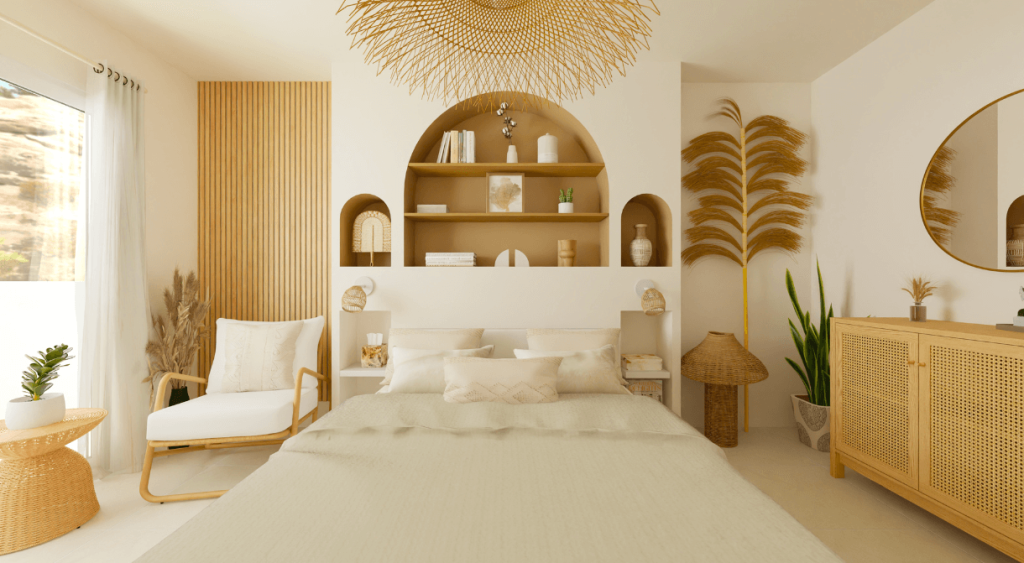
    A small bedroom does not have to feel cramped or uncomfortable. With the right planning, creative storage, and thoughtful décor choices, even the tiniest room can become a peaceful and stylish retreat. The secret lies in making smart decisions that improve functionality without sacrificing beauty. Whether you’re decorating a guest room, apartment bedroom, or compact master suite, using Small Bedroom Design Ideas can help you maximize every inch of available space.

    Modern interior design focuses on efficiency as much as appearance. From choosing multifunctional furniture to using light colors and clever lighting, there are countless ways to transform a small bedroom into a comfortable sanctuary. The goal is to create an organized environment where everything has a purpose while maintaining a relaxing atmosphere. This guide explores practical techniques that are easy to implement regardless of your budget or decorating style.

    Why Smart Bedroom Design Matters

    Small bedrooms require more thoughtful planning than larger spaces. Every piece of furniture, decoration, and storage solution affects how the room feels and functions. Good design makes daily routines easier while creating a room that appears larger than it actually is.

    Using Small Bedroom Design Ideas helps reduce clutter, improve movement, and create visual balance. A well-designed bedroom promotes better sleep because it feels peaceful instead of crowded. Choosing furniture with multiple purposes, maintaining clean lines, and limiting unnecessary decorations all contribute to a more comfortable environment.

    Rather than focusing on what your room lacks, smart design encourages you to make the most of what you already have. Every corner becomes an opportunity for storage, decoration, or improved functionality.

    Choose Light Colors to Create an Open Feel

    Color has a significant impact on how spacious a bedroom appears. Soft shades reflect more natural light, making walls seem farther apart and ceilings feel higher. White, cream, soft gray, pale beige, and light pastel colors are excellent choices for compact bedrooms.

    Painting walls and ceilings in similar tones reduces visual interruptions and creates a seamless appearance. Coordinating bedding, curtains, and rugs in complementary colors further enhances the sense of openness.

    While light colors dominate the room, adding small accents through cushions, artwork, or plants introduces personality without overwhelming the space. This balance is one of the easiest Small Bedroom Design Ideas to implement while achieving impressive results.

    Invest in Multi-Functional Furniture

    Furniture that serves more than one purpose is essential for smaller bedrooms. Instead of filling the room with multiple individual pieces, select items that combine storage and functionality.

    Popular multifunctional furniture includes:

    • Beds with built-in storage drawers
    • Ottomans with hidden compartments
    • Foldable desks
    • Wall-mounted nightstands
    • Storage benches
    • Murphy beds
    • Floating shelves

    These furniture options reduce clutter while maximizing available floor space. Modern designs also offer stylish finishes that blend beautifully with various decorating themes.

    Choosing furniture with slim profiles and raised legs also creates the illusion of more open floor space, making the room appear larger.

    Use Vertical Space Efficiently

    Many homeowners overlook wall space when organizing small bedrooms. Instead of expanding outward, think upward. Vertical storage allows you to keep belongings organized without consuming valuable floor area.

    Install floating shelves above beds, desks, or dressers to display books, decorative pieces, or storage baskets. Tall wardrobes utilize ceiling height while occupying minimal floor space. Wall hooks can organize bags, hats, or accessories neatly.

    The following table highlights practical vertical storage options.

    Storage SolutionBest UseSpace Saving Benefit
    Floating shelvesBooks and décorFrees floor space
    Tall wardrobeClothing storageMaximizes wall height
    Wall hooksAccessoriesKeeps items organized
    Over-door organizerShoes and essentialsUses unused door space
    Hanging basketsSmall itemsAdds accessible storage

    Incorporating these Small Bedroom Design Ideas ensures every part of your room contributes to organization and efficiency.

    Keep the Layout Simple and Functional

    A cluttered layout makes even medium-sized bedrooms feel smaller. Arrange furniture so movement remains easy and pathways stay open.

    Place the bed against the largest available wall whenever possible. Keep bedside furniture minimal and avoid blocking windows, which provide valuable natural light. Leave adequate walking space around major furniture pieces to maintain comfort.

    Avoid overcrowding the room with unnecessary chairs, tables, or decorative cabinets. Every item should have both a practical and visual purpose. Simplicity often creates a more luxurious appearance than excessive decoration.

    Minimalist layouts also make cleaning easier and help maintain an organized environment throughout the year.

    Maximize Natural and Artificial Lighting

    Lighting dramatically influences how spacious a bedroom feels. Natural daylight instantly makes compact rooms appear larger and more inviting.

    Keep window coverings light and airy. Sheer curtains allow sunlight to brighten the room while maintaining privacy. Avoid heavy drapes that block valuable natural light.

    Layer artificial lighting throughout the room by combining:

    • Ceiling lighting
    • Bedside lamps
    • Wall sconces
    • LED strip lighting
    • Reading lights

    Warm lighting creates a cozy atmosphere while brighter task lighting improves functionality. Mirrors positioned opposite windows reflect both daylight and artificial light, enhancing brightness throughout the room.

    Good lighting remains one of the most affordable Small Bedroom Design Ideas available.

    Reduce Clutter with Smart Organization

    Organization is essential in compact bedrooms. Even beautifully decorated rooms lose their appeal when clutter accumulates on every surface.

    Develop simple habits like putting clothes away immediately, using storage baskets, and keeping bedside tables organized. Divide drawers with organizers to separate accessories and maximize storage capacity.

    Seasonal clothing can be stored under the bed using labeled containers. Vacuum storage bags also help reduce bulky bedding and winter clothing.

    Regular decluttering prevents unnecessary items from taking over valuable storage space. Keeping only frequently used belongings creates a cleaner and more peaceful environment.

    An organized bedroom feels larger, more relaxing, and much easier to maintain every day.

    Decorate Without Overcrowding the Room

    Decorations personalize your bedroom, but moderation is important in smaller spaces. Rather than displaying many small decorative objects, choose a few statement pieces that complement the room’s overall style.

    Large mirrors visually expand the room by reflecting both light and surrounding space. Simple artwork adds character without overwhelming walls. Indoor plants introduce freshness and natural beauty while improving the room’s atmosphere.

    Coordinate bedding, cushions, rugs, and curtains using a consistent color palette for a cohesive appearance. Matching textures rather than excessive patterns keeps the room visually calm.

    These subtle decorating choices perfectly complement practical Small Bedroom Design Ideas while maintaining elegance.

    Create Storage Under the Bed

    The space beneath the bed is one of the most valuable storage areas in a compact bedroom. Instead of leaving it empty, use it to store seasonal clothing, extra blankets, shoes, luggage, or rarely used household items.

    Storage boxes with wheels make accessing belongings simple. Beds specifically designed with built-in drawers provide an even cleaner appearance while eliminating the need for additional storage furniture.

    Keeping under-bed storage organized ensures easy access while preventing dust accumulation. Label containers clearly so everything remains easy to locate.

    Making use of hidden storage areas reduces visible clutter and contributes significantly to maintaining a spacious appearance.

    Personalize Your Bedroom Comfortably

    Your bedroom should reflect your personality while remaining practical. Add meaningful decorative elements without overcrowding surfaces.

    Ideas include:

    • Soft textured blankets
    • Coordinated pillows
    • Framed family photos
    • Small indoor plants
    • Elegant bedside lamps
    • Minimal wall art
    • Scented candles
    • Decorative baskets

    These finishing touches create warmth and comfort while maintaining an organized layout. Personalization should enhance relaxation rather than create visual clutter.

    Combining comfort with practicality allows Small Bedroom Design Ideas to deliver both beauty and functionality.

    Conclusion

    Creating a beautiful bedroom does not require a large amount of space. Careful planning, efficient storage, smart furniture choices, and thoughtful decoration can completely transform even the smallest room into a comfortable retreat. Every design decision should improve both appearance and everyday functionality.

    By applying practical Small Bedroom Design Ideas, you can maximize storage, enhance natural light, reduce clutter, and create an inviting atmosphere that feels much larger than its actual size. Whether you’re renovating an apartment bedroom or refreshing a guest room, simple improvements often produce remarkable results.

  • Boost Comfort and Style Through Living Room Design Ideas for Any Home

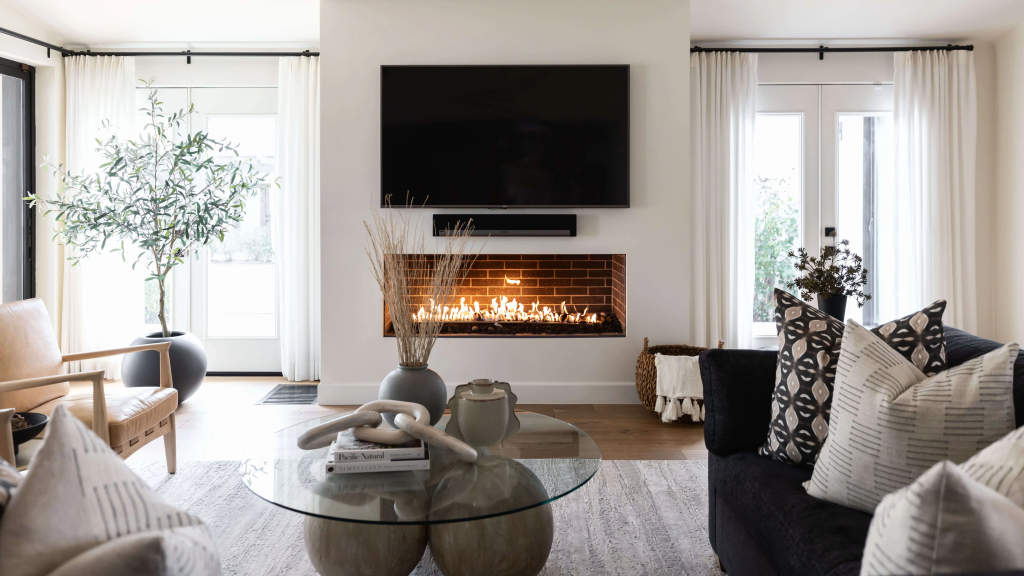
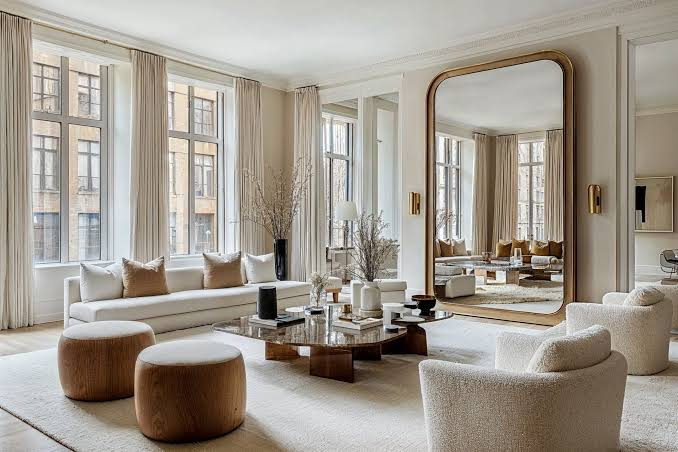
    Your living room is more than just a place to sit and relax. It is the heart of your home where family members gather, guests are welcomed, and everyday memories are created. A thoughtfully designed living room reflects your personality while offering comfort, beauty, and functionality. Whether your space is large or compact, the right design choices can completely transform its appearance and atmosphere. From selecting the perfect furniture to choosing color palettes, lighting, and decorative accents, every detail contributes to creating a welcoming environment. Modern homeowners are focusing on spaces that balance elegance with practicality. By incorporating Living Room Design Ideas into your planning process, you can achieve a room that looks beautiful and serves your daily lifestyle. This guide explores creative ideas, practical tips, and smart decorating techniques that help maximize both comfort and style without exceeding your budget.

    Why Living Room Design Matters

    A well-designed living room enhances your home’s overall appeal while improving everyday comfort. Since it is often the first room visitors see, it creates a lasting impression about your home’s style and personality. More importantly, it is where families relax after busy days, celebrate special occasions, and spend quality time together.

    Implementing thoughtful Living Room Design Ideas ensures every piece of furniture serves a purpose while maintaining visual harmony. A balanced design improves movement within the room, provides sufficient seating, and creates an inviting atmosphere. Good design also increases property value because attractive interiors appeal to future buyers.

    Whether your preference is modern, traditional, Scandinavian, industrial, or farmhouse, focusing on comfort, lighting, storage, and layout helps create a room that remains functional for years. The key is choosing timeless elements while adding decorative accessories that express your personal taste.

    Choosing the Right Color Palette

    Color has one of the biggest influences on the mood of a living room. Soft neutral shades create calm and spacious interiors, while darker colors add sophistication and warmth. Earthy tones, warm beige, sage green, and soft gray continue to remain popular because they complement various furniture styles.

    When selecting colors, consider the room’s size and natural lighting. Smaller rooms often appear larger with lighter shades, while spacious rooms can comfortably handle deeper colors.

    Some popular color combinations include:

    • White and wood tones for a Scandinavian feel
    • Gray with navy blue accents for modern elegance
    • Beige with olive green for natural warmth
    • Cream with black details for contemporary style
    • Soft pastel colors for bright family spaces

    Applying these Living Room Design Ideas creates a balanced environment that feels both stylish and welcoming throughout every season.

    Selecting Comfortable and Functional Furniture

    Furniture serves as the foundation of every living room. Comfort should always come before appearance because this space is used daily. Start by choosing a sofa that matches your family’s needs. Sectional sofas work well in larger rooms, while compact loveseats are ideal for apartments or smaller homes.

    Coffee tables, side tables, bookshelves, and entertainment units should complement the room without making it feel crowded. Multi-functional furniture, such as storage ottomans or nesting tables, helps maximize available space.

    When arranging furniture:

    • Leave enough walking space.
    • Keep seating facing each other for conversation.
    • Place tables within easy reach.
    • Balance large furniture with smaller accessories.
    • Avoid blocking windows or natural light.

    Following these Living Room Design Ideas allows you to combine beauty with everyday practicality while maintaining an organized appearance.

    Lighting Creates the Perfect Atmosphere

    Lighting can completely transform how a living room feels. Instead of relying on one ceiling fixture, combine multiple light sources to create depth and flexibility. Natural daylight should always be maximized by using light curtains or sheer fabrics.

    Layer your lighting with:

    • Ceiling lights for overall brightness
    • Floor lamps beside sofas
    • Table lamps for reading corners
    • Wall sconces for decorative accents
    • LED strip lighting around shelves or television units

    Warm white lighting generally creates a cozy environment, while cool white lighting suits modern interiors with minimalist furniture.

    The right lighting enhances furniture textures, wall colors, artwork, and decorative pieces, making these Living Room Design Ideas even more visually appealing during both daytime and evening hours.

    Smart Storage Solutions for Organized Living

    Modern homes benefit greatly from smart storage options that reduce clutter without sacrificing style. A clean and organized living room naturally appears larger, brighter, and more relaxing.

    Consider incorporating built-in shelves, floating cabinets, storage benches, and decorative baskets into your layout. Closed cabinets hide everyday items while open shelves display books, plants, framed photographs, and decorative objects.

    Storage SolutionBest ForMain Benefit
    Floating ShelvesSmall roomsSaves floor space
    Storage OttomanFamily roomsHidden storage and seating
    Built-in CabinetsLarge homesOrganized appearance
    TV Console with DrawersEntertainment areaConceals electronics
    Decorative BasketsEveryday storageQuick organization

    Combining these practical storage ideas helps maintain a clutter-free environment while complementing your chosen interior style.

    Decorative Elements That Add Personality

    Accessories complete the overall look of any living room. Carefully selected decorative pieces add warmth, character, and individuality without overwhelming the space.

    Popular decorative additions include:

    Indoor Plants

    Plants improve air quality while introducing natural color and texture. Low-maintenance varieties are ideal for busy households.

    Wall Art

    Large artwork, framed family photographs, or gallery walls personalize the room while creating attractive focal points.

    Area Rugs

    Rugs define seating areas, improve comfort, and introduce additional colors or patterns.

    Throw Pillows and Blankets

    Mixing different textures creates a layered and cozy appearance while allowing easy seasonal updates.

    By thoughtfully combining these decorative details with practical furniture, your living room becomes both beautiful and comfortable.

    Designing Small Living Rooms Efficiently

    Limited space should never limit creativity. Small living rooms benefit from careful planning and furniture selection that prioritizes function.

    Useful space-saving techniques include:

    • Choose furniture with exposed legs.
    • Use mirrors to reflect light.
    • Select wall-mounted storage.
    • Keep decorations minimal.
    • Use foldable or nesting tables.
    • Paint walls in lighter colors.

    These practical Living Room Design Ideas help even compact homes feel spacious, organized, and inviting without requiring expensive renovations.

    Trending Living Room Styles

    Interior design trends continue evolving while emphasizing comfort and simplicity. Instead of following every trend, combine timeless furniture with modern decorative elements.

    Popular styles include:

    Modern Minimalist

    Simple furniture, neutral colors, and clutter-free layouts create peaceful interiors.

    Scandinavian Design

    Natural wood, white walls, soft fabrics, and functional furniture define this welcoming style.

    Industrial Style

    Metal finishes, exposed brick, dark furniture, and vintage lighting create urban character.

    Farmhouse Charm

    Warm wood textures, soft fabrics, comfortable seating, and vintage-inspired accessories create cozy family spaces.

    Contemporary Luxury

    Elegant furniture, statement lighting, marble finishes, and sophisticated color palettes provide an upscale appearance.

    Each design style can be customized to suit your personal preferences while maintaining comfort and practicality.

    Budget-Friendly Ways to Refresh Your Living Room

    Transforming your living room does not always require a complete renovation. Small improvements often create dramatic results while staying within budget.

    Affordable improvements include:

    • Repainting walls
    • Updating cushion covers
    • Adding new curtains
    • Rearranging furniture
    • Installing modern lighting
    • Introducing indoor plants
    • Displaying family photos
    • Replacing outdated rugs

    These simple upgrades make your living room feel fresh and modern without significant financial investment. Careful planning allows homeowners to improve appearance gradually over time while maintaining quality.

    Conclusion

    Creating a welcoming living room is about balancing comfort, functionality, and personal style. Every design decision—from selecting colors and furniture to improving lighting and storage—plays an important role in shaping a space where family and friends naturally gather. Thoughtful planning ensures your living room remains practical for everyday life while reflecting your unique personality and taste.

    Whether you are decorating a brand-new home or refreshing an existing space, these Living Room Design Ideas provide inspiration for every budget and lifestyle. Focus on quality furniture, harmonious color schemes, smart organization, and carefully chosen accessories to create a room that feels inviting all year long. With creativity and attention to detail, your living room can become the perfect combination of elegance, relaxation, and functionality, making it one of the most enjoyable spaces in your home.

  • Improve Your Property with Home Improvement Projects for Every Budget

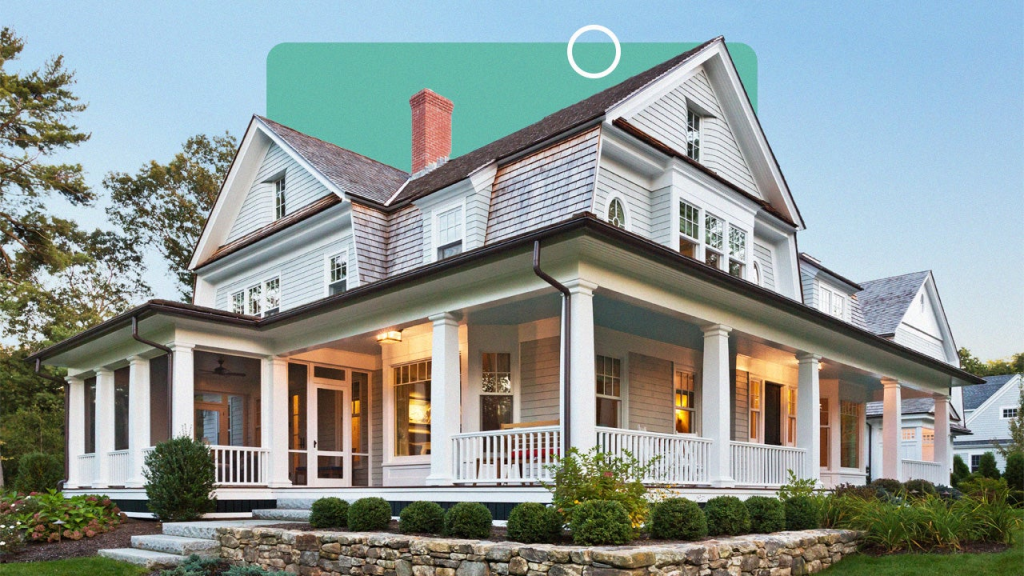
    Every homeowner dreams of creating a comfortable, attractive, and functional living space. Fortunately, transforming your home does not always require a massive investment. With thoughtful planning and smart decisions, you can improve your property while staying within your financial limits. Whether you are updating a single room or giving your entire home a fresh look, choosing the right Home Improvement Projects can significantly enhance both appearance and value. Small upgrades often deliver impressive results, making your home more enjoyable for everyday living while increasing its appeal to future buyers. From simple cosmetic improvements to energy-efficient renovations, every project contributes to creating a better home environment. Understanding which improvements offer the best return on investment helps homeowners prioritize wisely. Regardless of your budget, there are countless opportunities to refresh your living space and make your property more practical, stylish, and valuable for years to come.

    Why Home Improvement Matters

    Improving your home is about much more than increasing its market value. A well-maintained property provides greater comfort, improved safety, and better energy efficiency. Modern upgrades can reduce utility costs, enhance functionality, and create spaces that suit your family’s changing needs.

    Many homeowners choose Home Improvement Projects because they offer long-term financial benefits alongside everyday convenience. Simple improvements like replacing outdated lighting, repainting walls, or upgrading flooring can completely transform a room without requiring extensive renovations.

    Regular maintenance also prevents costly repairs in the future. Addressing small issues before they become major problems saves money while protecting your home’s structural integrity. Investing in thoughtful improvements today creates a stronger, more beautiful property tomorrow.

    Affordable Home Improvement Ideas for Small Budgets

    You don’t need thousands of dollars to improve your home. Many affordable upgrades deliver noticeable results with minimal expense. Small projects often provide the greatest satisfaction because they are easy to complete while producing immediate visual improvements.

    Some budget-friendly ideas include:

    • Paint walls with fresh, modern colors.
    • Replace cabinet handles and door hardware.
    • Install energy-efficient LED lighting.
    • Add indoor plants for natural beauty.
    • Update curtains, rugs, and decorative accessories.
    • Refresh bathroom fixtures.
    • Install floating shelves for extra storage.

    These simple Home Improvement Projects instantly refresh your home’s appearance without stretching your finances. Even modest investments can create cleaner, brighter, and more welcoming spaces that feel completely renewed.

    Medium-Budget Renovations That Add Value

    Homeowners with a moderate budget have more opportunities to upgrade important areas of their property. Focusing on kitchens, bathrooms, flooring, and storage often provides the highest return on investment while improving everyday living.

    Kitchen improvements remain among the most rewarding renovations. Updating countertops, replacing backsplashes, installing modern lighting, or repainting cabinets creates a fresh appearance without requiring a complete remodel. Bathroom upgrades like new vanities, mirrors, faucets, and efficient toilets also increase comfort and functionality.

    Flooring improvements are another excellent investment. Replacing worn carpets with laminate, vinyl, or hardwood instantly modernizes your home’s interior. Better storage solutions such as built-in shelves and custom closets maximize available space while reducing clutter. These practical upgrades improve both aesthetics and organization, making your home more appealing for current and future use.

    High-Budget Home Improvement Projects

    Larger investments often deliver dramatic transformations that significantly increase property value. While these renovations require careful planning, they provide long-lasting benefits and create luxurious living environments.

    Some premium renovation options include:

    • Complete kitchen remodeling
    • Bathroom expansion
    • Basement finishing
    • Room additions
    • Roof replacement
    • Window replacement
    • Smart home technology installation
    • Solar panel integration

    These larger Home Improvement Projects improve functionality, energy efficiency, and resale potential. Although the upfront cost is higher, many homeowners recover a significant portion of their investment through increased property value and lower maintenance expenses over time.

    Table: Home Improvement Projects by Budget

    Budget RangeRecommended ProjectsMain Benefits
    Under $500Paint, lighting, hardware, décorAffordable visual improvements
    $500–$5,000Flooring, bathroom updates, kitchen refreshBetter comfort and higher value
    $5,000–$20,000Kitchen remodel, roofing, windowsIncreased efficiency and resale value
    Above $20,000Home additions, basement finishing, major renovationsMaximum functionality and long-term investment

    Improve Energy Efficiency While Renovating

    Energy efficiency has become a major priority for homeowners looking to reduce monthly expenses while protecting the environment. Modern upgrades not only lower utility bills but also make homes more comfortable throughout every season.

    Installing better insulation, energy-efficient windows, programmable thermostats, and upgraded HVAC systems helps regulate indoor temperatures. Replacing older appliances with energy-saving models also reduces electricity consumption significantly.

    Many Home Improvement Projects focus on sustainability because environmentally friendly homes attract more buyers and require lower operating costs. LED lighting, water-saving fixtures, improved ventilation, and proper insulation contribute to a healthier indoor environment while supporting long-term savings.

    Even small energy-efficient upgrades can produce noticeable financial benefits year after year, making them excellent investments for homeowners of every budget.

    Outdoor Improvements That Increase Curb Appeal

    The exterior of your home creates the first impression for visitors and potential buyers. Improving outdoor spaces enhances property value while creating enjoyable areas for relaxation and entertainment.

    Popular outdoor upgrades include:

    • Landscaping improvements
    • Fresh exterior paint
    • New front door
    • Decorative lighting
    • Garden pathways
    • Patio upgrades
    • Deck maintenance
    • Fence repairs

    These improvements make your property appear more inviting and well-maintained. Attractive landscaping combined with clean walkways and modern lighting creates immediate visual impact.

    Outdoor living spaces have become increasingly popular because they extend usable square footage while encouraging family gatherings and social events. Investing in exterior improvements often produces one of the highest returns among all renovation projects.

    Planning Before Starting Any Project

    Successful renovations begin with careful planning. Before beginning any improvement, establish a realistic budget, identify priorities, and research the expected costs involved. Planning helps avoid unexpected expenses while ensuring each project stays on schedule.

    Create a checklist that includes materials, labor, permits, timelines, and contingency funds. Comparing product quality instead of simply choosing the lowest price often results in better long-term value.

    When planning Home Improvement Projects, homeowners should also consider future maintenance requirements. Durable materials may cost more initially but usually require fewer repairs over time. Careful preparation reduces stress, improves project efficiency, and increases overall satisfaction with the final results.

    A well-organized renovation plan also helps homeowners complete projects gradually, allowing improvements to fit comfortably within their financial goals.

    Common Mistakes to Avoid

    Even well-intentioned renovations can become costly if homeowners overlook important details. Avoiding common mistakes saves both time and money while producing better final outcomes.

    Some frequent renovation mistakes include:

    • Ignoring a realistic budget.
    • Choosing style over functionality.
    • Purchasing low-quality materials.
    • Skipping necessary maintenance.
    • Attempting complex work without experience.
    • Forgetting future resale value.
    • Poor project scheduling.

    Careful decision-making prevents unnecessary expenses and ensures every improvement contributes positively to your property’s long-term performance.

    How to Maximize Return on Investment

    Not every renovation increases property value equally. Homeowners should focus on improvements that balance personal enjoyment with future resale potential.

    Kitchen upgrades, bathroom renovations, flooring improvements, energy-efficient windows, roofing replacements, and attractive landscaping consistently rank among the highest-value investments. Maintaining your home regularly also preserves its condition and reduces expensive emergency repairs.

    Before beginning renovations, consider neighborhood property values to avoid over-improving your home beyond local market expectations. Smart investments provide lasting satisfaction while protecting your financial interests.

    By selecting improvements that enhance comfort, efficiency, and appearance, homeowners create properties that remain desirable regardless of changing market conditions.

    Conclusion

    Improving your home does not require an unlimited budget. Whether you invest in small cosmetic updates or complete major renovations, thoughtful improvements make your property more beautiful, comfortable, and valuable. The key is choosing upgrades that align with your financial goals while addressing your home’s most important needs.

    From affordable painting projects to full-scale remodeling, Home Improvement Projects allow homeowners to personalize their living spaces while increasing long-term property value. Careful planning, quality materials, and realistic budgeting ensure successful renovations that deliver lasting benefits

  • Create a Stylish Home Using Bathroom Renovation Ideas That Add Value

    A well-designed bathroom is more than just a functional space. It is a place where comfort, relaxation, and style come together to improve your everyday life. Whether you are planning to sell your property or simply want to enjoy a fresh, modern look, investing in smart Bathroom Renovation Ideas can significantly increase your home’s value. Homebuyers often pay close attention to bathrooms because they reflect the overall condition and quality of a house. Even small upgrades like replacing outdated fixtures, improving lighting, or adding modern storage solutions can create a lasting impression. A thoughtful renovation not only enhances appearance but also improves efficiency, comfort, and functionality. By selecting quality materials and timeless designs, homeowners can enjoy long-term benefits while making their property more attractive. The right renovation plan balances beauty with practicality, ensuring every detail contributes to a stylish and valuable living space.

    Why Bathroom Renovation Is a Smart Investment

    Bathrooms are among the most frequently used spaces in any home, making regular updates worthwhile. Modern buyers prefer clean, bright, and efficient bathrooms that require little maintenance. Renovating this space often provides one of the highest returns on investment compared to other home improvement projects. Implementing practical Bathroom Renovation Ideas can improve energy efficiency through water-saving fixtures, LED lighting, and better ventilation. These improvements reduce utility bills while making daily routines more enjoyable. Updated bathrooms also enhance hygiene, safety, and accessibility for every family member. Even if you are not planning to sell immediately, a renovated bathroom increases personal comfort and reflects your unique style. Choosing durable finishes ensures the space remains attractive for years, reducing future maintenance costs. Overall, investing in bathroom improvements delivers both financial and lifestyle benefits.

    Best Bathroom Renovation Ideas for Modern Homes

    Modern bathrooms focus on simplicity, functionality, and elegance. Homeowners are increasingly choosing minimalist designs that create an open and relaxing atmosphere. Popular Bathroom Renovation Ideas include floating vanities, frameless glass shower enclosures, wall-mounted toilets, and large-format tiles. Neutral color palettes such as white, beige, gray, and earthy tones create timeless appeal while making small bathrooms appear larger. Smart mirrors with built-in lighting and anti-fog technology add convenience while enhancing the room’s overall appearance. Natural materials like stone and wood accents bring warmth and sophistication. Combining stylish fixtures with practical layouts allows homeowners to maximize available space without sacrificing comfort. Choosing quality finishes also ensures the bathroom maintains its beauty over time, making it a valuable addition to any modern home.

    Upgrade Fixtures for a Fresh Look

    Replacing outdated fixtures is one of the easiest ways to transform a bathroom without a complete remodel. Consider installing:

    • Water-saving faucets and showerheads
    • Modern rainfall shower systems
    • Stylish vessel or undermount sinks
    • Matte black or brushed nickel hardware
    • Contemporary toilets with dual-flush technology

    These upgrades instantly improve both appearance and efficiency while complementing your overall design theme.

    Improve Lighting and Ventilation

    Lighting plays an important role in creating a comfortable bathroom environment. Layered lighting combines ceiling fixtures, vanity lights, and accent lighting to eliminate shadows and improve visibility. Natural light should be maximized whenever possible using larger windows or skylights. Proper ventilation prevents moisture buildup, mold growth, and unpleasant odors. Installing an efficient exhaust fan protects your renovation investment while maintaining healthier indoor air quality. Bright, well-ventilated bathrooms always feel larger, cleaner, and more welcoming.

    Choosing the Right Materials for Long-Term Value

    Material selection directly affects the durability, maintenance requirements, and appearance of your bathroom. Quality materials may require a higher initial investment but often save money over time due to their longevity. Popular flooring choices include porcelain tiles, ceramic tiles, and natural stone because they resist moisture and wear. Quartz countertops provide excellent durability while requiring minimal maintenance. Waterproof wall panels offer an attractive alternative to traditional tiles in shower areas. Incorporating these durable materials into your Bathroom Renovation Ideas helps maintain a beautiful appearance for many years. Soft-close cabinets, moisture-resistant paint, and premium grout further improve the bathroom’s lifespan. Choosing timeless finishes rather than trendy options also ensures your renovation remains appealing despite changing design preferences.

    Bathroom Features That Increase Home Value

    Not every upgrade delivers the same return on investment. Prioritizing improvements that buyers appreciate most helps maximize your renovation budget.

    Bathroom FeatureBenefitsValue Added
    Walk-in ShowerModern appearance and accessibilityHigh
    Double VanityBetter convenience for familiesHigh
    LED LightingEnergy savings and brighter interiorsMedium
    Water-Efficient FixturesLower utility costsHigh
    Heated FlooringExtra comfort during winterMedium
    Smart MirrorsModern functionalityMedium
    Built-in StorageBetter organizationHigh

    Selecting features that combine practicality with visual appeal creates a bathroom that attracts both current homeowners and future buyers.

    Smart Storage Solutions for Organized Bathrooms

    Storage often determines how functional a bathroom feels. Even spacious bathrooms can appear cluttered without proper organization. Innovative Bathroom Renovation Ideas include floating shelves, recessed wall niches, built-in cabinets, under-sink storage, and mirrored medicine cabinets. Vertical storage maximizes wall space while keeping countertops clear and tidy. Pull-out drawers provide easier access to toiletries compared to traditional cabinets. Hidden storage compartments create a cleaner appearance by reducing visible clutter. Well-organized bathrooms not only look larger but also improve daily convenience. Matching storage designs with the overall décor ensures a seamless and elegant finish that supports both style and functionality.

    Budget-Friendly Bathroom Renovation Tips

    Renovating does not always require a large budget. Strategic updates can produce impressive results while controlling costs.

    Consider these affordable improvements:

    • Repaint walls using moisture-resistant paint.
    • Replace cabinet handles and faucets.
    • Install modern mirrors.
    • Upgrade lighting fixtures.
    • Add open shelving.
    • Replace old shower curtains with glass panels.
    • Refresh grout and seal tiles.

    Small improvements often deliver significant visual impact without requiring major construction.

    Common Bathroom Renovation Mistakes to Avoid

    Successful renovations require careful planning. Many homeowners make costly mistakes by focusing only on appearance while ignoring functionality. Poor ventilation, insufficient lighting, limited storage, and low-quality materials often create long-term problems. Another common mistake is choosing trendy designs that quickly become outdated. Overspending on luxury features while neglecting essential plumbing or waterproofing can reduce overall value. Ignoring proper layout planning may also make the bathroom feel cramped despite expensive upgrades. When considering Bathroom Renovation Ideas, always prioritize quality workmanship, practical layouts, and durable materials. Measuring accurately before purchasing fixtures helps avoid installation issues and unexpected expenses. Careful planning ensures the finished bathroom remains beautiful, functional, and valuable for many years.

    Creating a Luxurious Bathroom Experience

    Luxury is no longer limited to expensive hotels. Modern homeowners can create spa-inspired bathrooms by combining comfort with elegant design. Features like rainfall showers, freestanding bathtubs, heated towel racks, ambient lighting, and natural textures create a relaxing atmosphere. Soft color palettes, large mirrors, and quality finishes enhance the sense of space and sophistication. Incorporating greenery through moisture-loving plants adds freshness while improving visual appeal. Smart technology, including touchless faucets and digital shower controls, further enhances convenience. These premium Bathroom Renovation Ideas transform everyday routines into enjoyable experiences while increasing the perceived value of the entire home. Luxury should focus on comfort, efficiency, and timeless elegance rather than unnecessary extravagance.

    Planning Your Bathroom Renovation Successfully

    A successful renovation begins with a clear plan. Establish a realistic budget, identify your priorities, and determine which improvements will deliver the greatest value. Create a layout that maximizes available space while maintaining easy movement throughout the room. Research durable materials, compare fixture options, and consider future maintenance requirements before making final decisions. Hiring experienced professionals for plumbing, electrical work, and waterproofing ensures long-lasting results and compliance with building standards. At the same time, homeowners can reduce costs by handling simple cosmetic updates themselves. Proper planning minimizes unexpected expenses and keeps the project on schedule. Careful preparation also allows every design choice to contribute toward a stylish, comfortable, and highly functional bathroom.

    Conclusion

    A beautifully renovated bathroom improves everyday living while adding lasting value to your property. Whether you are making small cosmetic updates or completing a full remodel, thoughtful planning and quality materials deliver the best results. By choosing practical layouts, efficient fixtures, smart storage, and timeless finishes, homeowners can create spaces that remain attractive for years. The best Bathroom Renovation Ideas combine style, functionality, comfort, and durability, ensuring every investment pays off over time. From improving energy efficiency to enhancing visual appeal, bathroom renovations provide benefits that extend far beyond appearance. With the right approach, your bathroom can become one of the most valuable and enjoyable rooms in your home, offering comfort for your family today while increasing your property’s market appeal for the future.

  • Transform Your Living Space with Kitchen Remodeling Ideas for Modern Homes

    The kitchen has become much more than a place to prepare meals. In modern homes, it serves as the center of family life, entertaining, and everyday conversations. Whether you’re planning a complete renovation or making a few upgrades, choosing the right Kitchen Remodeling Ideas can dramatically improve both the appearance and functionality of your home. A well-designed kitchen enhances efficiency, increases storage, and adds long-term value to your property. From sleek cabinetry and energy-efficient appliances to open layouts and stylish lighting, there are countless ways to create a kitchen that reflects your lifestyle. Modern remodeling focuses on combining beauty with practicality, ensuring every square foot serves a purpose. By understanding the latest design trends and planning carefully, homeowners can create a welcoming space that remains timeless while meeting today’s needs and tomorrow’s expectations.

    Why Kitchen Remodeling Is Worth the Investment

    Kitchen remodeling is one of the most rewarding home improvement projects because it delivers benefits that extend beyond visual appeal. A thoughtfully renovated kitchen increases property value, improves energy efficiency, and creates a more comfortable environment for cooking and socializing. Modern homeowners prioritize layouts that maximize workflow while providing sufficient storage and seating. Investing in quality materials ensures durability and reduces long-term maintenance costs. Incorporating Kitchen Remodeling Ideas into your renovation plan also allows you to personalize the space according to your family’s lifestyle. Whether you enjoy hosting dinner parties or preparing quick weekday meals, your kitchen should support your daily routine. Even small changes, such as replacing countertops, upgrading lighting, or installing smart appliances, can make a noticeable difference. A carefully planned renovation transforms an outdated kitchen into an inviting centerpiece that combines style, convenience, and long-lasting functionality.

    Essential Planning Before Starting Your Kitchen Remodel

    Proper planning is the key to a successful kitchen renovation. Before selecting materials or hiring contractors, establish a realistic budget and identify your priorities. Consider how your family uses the kitchen every day and determine which features require improvement. Storage limitations, poor lighting, and inefficient layouts are common concerns that should be addressed early in the planning stage. One of the most practical Kitchen Remodeling Ideas is designing the space around the kitchen work triangle, ensuring the sink, refrigerator, and stove remain conveniently connected. Measure your available space carefully and create a detailed layout before making purchasing decisions. Planning ahead minimizes costly mistakes and helps maintain a smooth remodeling process. Choosing timeless finishes instead of overly trendy designs also ensures your kitchen remains attractive and functional for years while protecting your investment.

    Modern Kitchen Design Trends That Never Go Out of Style

    Modern kitchens emphasize simplicity, clean lines, and practical functionality. Neutral color palettes such as white, gray, beige, and soft earth tones remain popular because they create bright and spacious interiors. Flat-panel cabinets, handleless drawers, and minimalist hardware contribute to a sleek appearance. Natural materials like wood, quartz, and stone add warmth while maintaining durability. One of the most effective Kitchen Remodeling Ideas involves combining modern cabinetry with open shelving to balance storage and decorative display. Large kitchen islands continue to dominate contemporary designs, offering additional workspace, dining areas, and storage options. Smart technology, including touchless faucets and energy-efficient appliances, further enhances convenience. These timeless trends create elegant kitchens that adapt to changing preferences without requiring frequent updates.

    Popular Modern Features

    • Large multifunctional kitchen islands
    • Quartz or granite countertops
    • Soft-close cabinets and drawers
    • Energy-efficient appliances
    • Under-cabinet LED lighting
    • Open shelving with decorative accents

    Choosing the Best Kitchen Layout

    Selecting the right layout is essential for maximizing comfort and efficiency. Every home has unique dimensions, making it important to choose a design that complements your available space.

    Kitchen LayoutBest ForMain Advantage
    L-ShapedSmall to medium homesEfficient corner utilization
    U-ShapedLarge familiesMaximum storage and workspace
    GalleyNarrow kitchensExcellent cooking efficiency
    Island LayoutOpen floor plansExtra seating and preparation space
    PeninsulaMedium kitchensFlexible workspace without requiring extra room

    Understanding these layouts helps homeowners choose Kitchen Remodeling Ideas that match both their home’s architecture and daily cooking habits.

    Smart Storage Solutions for Clutter-Free Kitchens

    Storage often determines whether a kitchen feels organized or overwhelming. Modern remodeling focuses on utilizing every inch of available space through innovative cabinet designs and customized storage systems. Deep drawers, pull-out pantry shelves, corner organizers, and hidden compartments maximize functionality while maintaining a clean appearance. Ceiling-height cabinets provide additional storage for seasonal cookware and rarely used appliances. One of the most practical Kitchen Remodeling Ideas is incorporating drawer dividers, spice organizers, and built-in recycling bins to improve organization. Floating shelves display decorative items without overcrowding the room, while multifunctional islands include cabinets and seating simultaneously. Effective storage planning minimizes countertop clutter, making the kitchen appear larger, cleaner, and easier to maintain. A well-organized kitchen simplifies meal preparation and creates a more enjoyable cooking experience for every family member.

    Selecting Materials That Combine Beauty and Durability

    Choosing high-quality materials ensures your kitchen remains attractive despite years of daily use. Countertops experience constant wear, making quartz, granite, and solid surfaces popular choices due to their durability and easy maintenance. Cabinets constructed from solid wood or high-quality engineered materials provide long-lasting performance while resisting moisture and daily wear. Flooring options such as porcelain tile, luxury vinyl plank, and engineered hardwood offer durability alongside stylish finishes. When considering Kitchen Remodeling Ideas, prioritize materials that balance aesthetics with practicality rather than selecting products based solely on appearance. Durable backsplashes made from ceramic, subway tile, or natural stone protect walls while adding visual interest. Investing in premium materials may require a larger initial budget but significantly reduces maintenance and replacement costs over time.

    Key Material Considerations

    • Scratch-resistant countertops
    • Water-resistant flooring
    • Easy-to-clean backsplash materials
    • Durable cabinet finishes
    • Long-lasting hardware and fixtures

    Lighting Ideas That Transform Your Kitchen

    Lighting plays a vital role in both functionality and atmosphere. A successful kitchen combines ambient, task, and accent lighting to illuminate every area effectively. Ceiling-mounted fixtures provide general brightness, while under-cabinet lighting improves visibility during food preparation. Pendant lights above kitchen islands add decorative appeal while creating focused illumination. Large windows maximize natural light, making the room feel more open and welcoming. Among today’s leading Kitchen Remodeling Ideas, layered lighting stands out as one of the simplest yet most impactful upgrades. Dimmable lighting systems allow homeowners to adjust brightness for cooking, dining, or entertaining. Choosing energy-efficient LED fixtures reduces electricity consumption while providing excellent illumination. Proper lighting enhances safety, highlights design features, and contributes significantly to the overall comfort of the space.

    Budget-Friendly Remodeling Tips Without Compromising Style

    A beautiful kitchen renovation doesn’t always require a massive investment. Strategic improvements can refresh your kitchen while keeping expenses under control. Painting cabinets instead of replacing them, updating cabinet handles, installing a modern backsplash, and replacing outdated lighting fixtures provide dramatic visual improvements at relatively low costs. Reusing existing layouts also reduces plumbing and electrical expenses. Incorporating affordable Kitchen Remodeling Ideas such as open shelving, peel-and-stick backsplash tiles, or refinishing countertops allows homeowners to achieve stylish results without exceeding their budget. Shopping during seasonal sales and comparing contractor estimates further reduces renovation costs. Prioritizing high-impact upgrades ensures your investment delivers noticeable improvements while maintaining financial flexibility.

    Common Kitchen Remodeling Mistakes to Avoid

    Even well-planned renovations can encounter problems if important details are overlooked. One common mistake is sacrificing functionality for appearance. A visually stunning kitchen should also provide sufficient storage, workspace, and comfortable movement. Another frequent error involves choosing trendy designs that quickly become outdated. Ignoring lighting requirements or purchasing low-quality materials often leads to additional expenses later. Many homeowners also underestimate the importance of ventilation, resulting in lingering cooking odors and moisture issues. Carefully evaluating Kitchen Remodeling Ideas before beginning construction helps prevent these costly mistakes. Working with experienced professionals, setting realistic expectations, and maintaining a contingency budget ensures smoother project completion while minimizing unexpected challenges.

    Conclusion

    A thoughtfully designed kitchen has the power to transform your entire home. By combining smart planning, durable materials, efficient layouts, and timeless design principles, homeowners can create a space that remains beautiful and practical for years to come. Whether you’re planning a complete renovation or making gradual improvements, choosing the right Kitchen Remodeling Ideas allows you to maximize comfort, functionality, and property value. Focus on creating a kitchen that supports your lifestyle while reflecting your personal style. Careful budgeting, quality craftsmanship, and attention to detail ensure your remodeling investment delivers lasting satisfaction. With the right approach, your modern kitchen can become the heart of your home, providing an inviting environment where family, friends, and memorable moments come together every day.